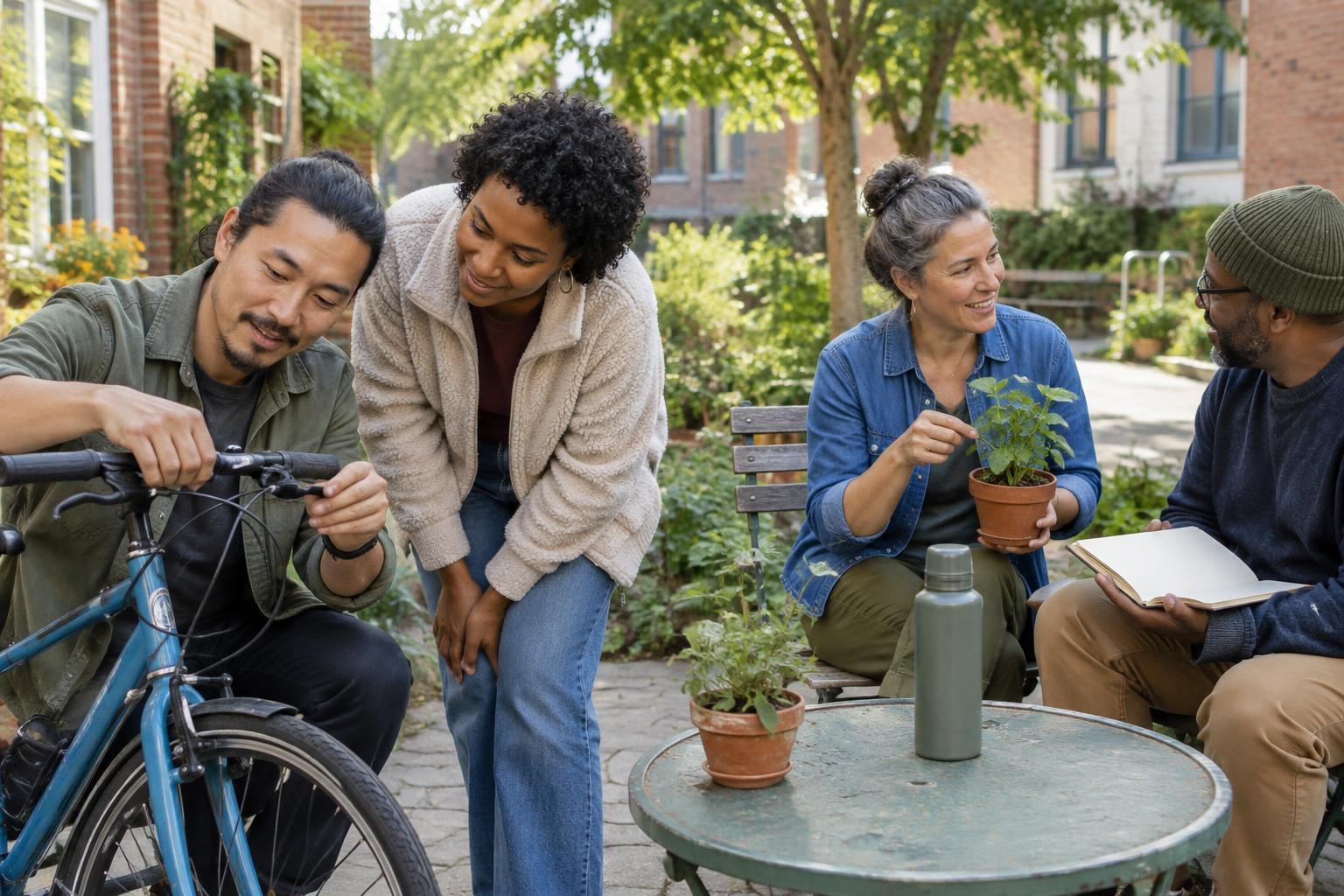
Community InnovationA neighborhood skill-swap can help residents share everyday knowledge, from bicycle care to language practice. Start small, set clear boundaries and make room for people who have something to offer but little spare time.
Read article · 4 min↗
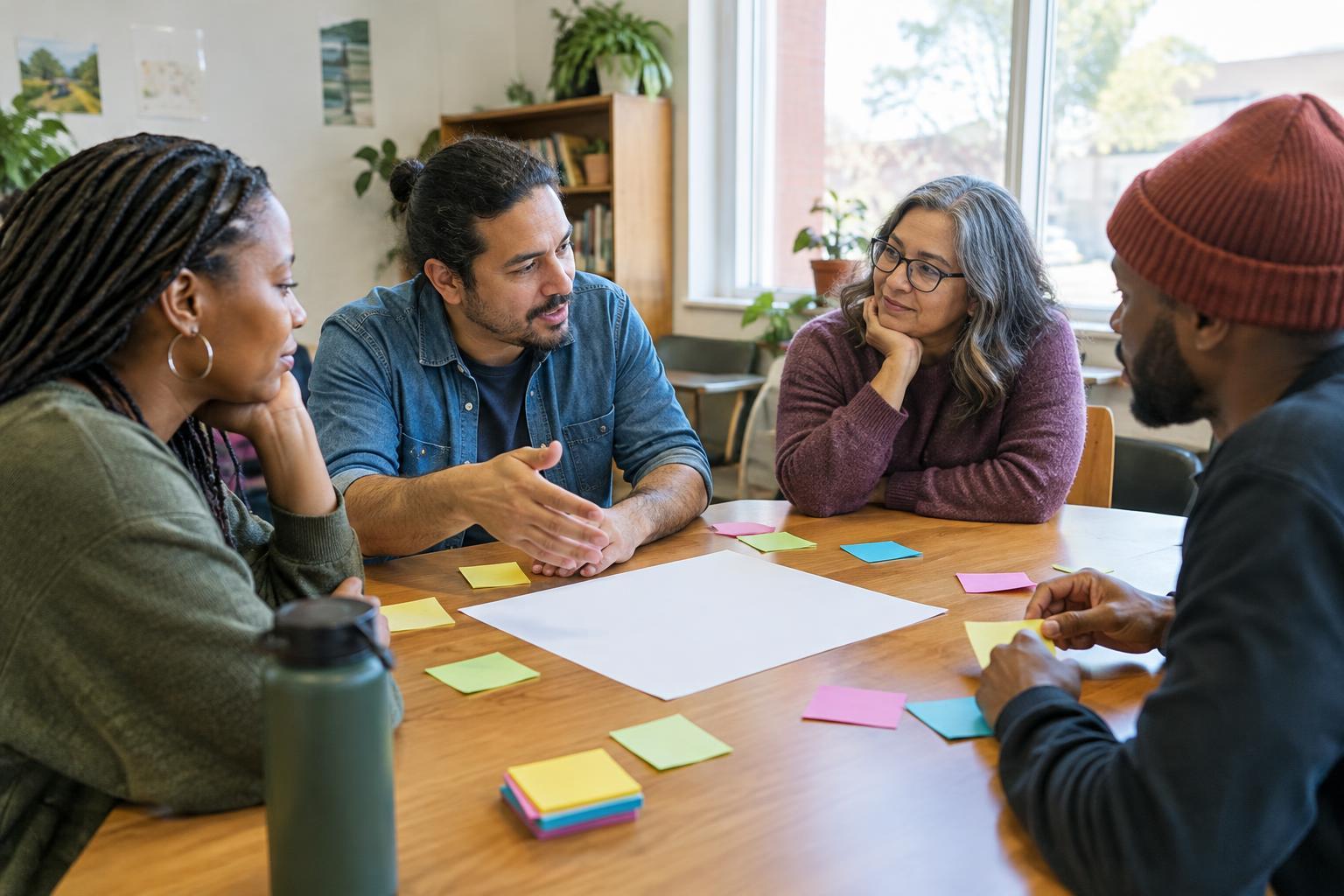
Community InnovationCommunity partnerships can lose momentum when people agree on a goal but not on who will do the work, make decisions, or handle changes. A short, shared agreement can make collaboration more practical and fair without turning every project into a formal contract.
Read article · 4 min↗
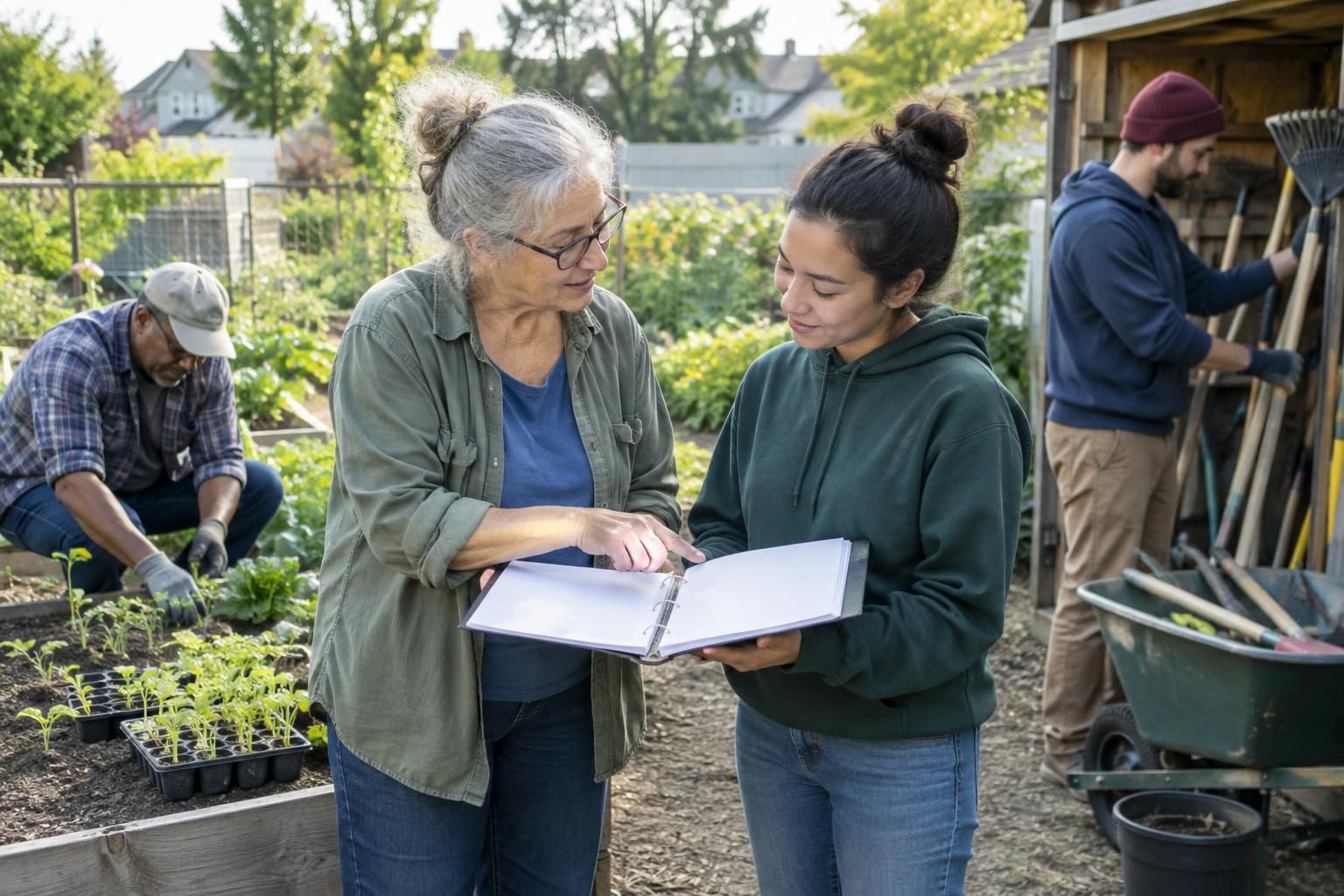
Community InnovationA community project should not depend on its founders being available forever. Clear records, shared responsibilities, manageable commitments and a thoughtful handover can help new volunteers carry the work forward—or decide when it is time to change course.
Read article · 4 min↗
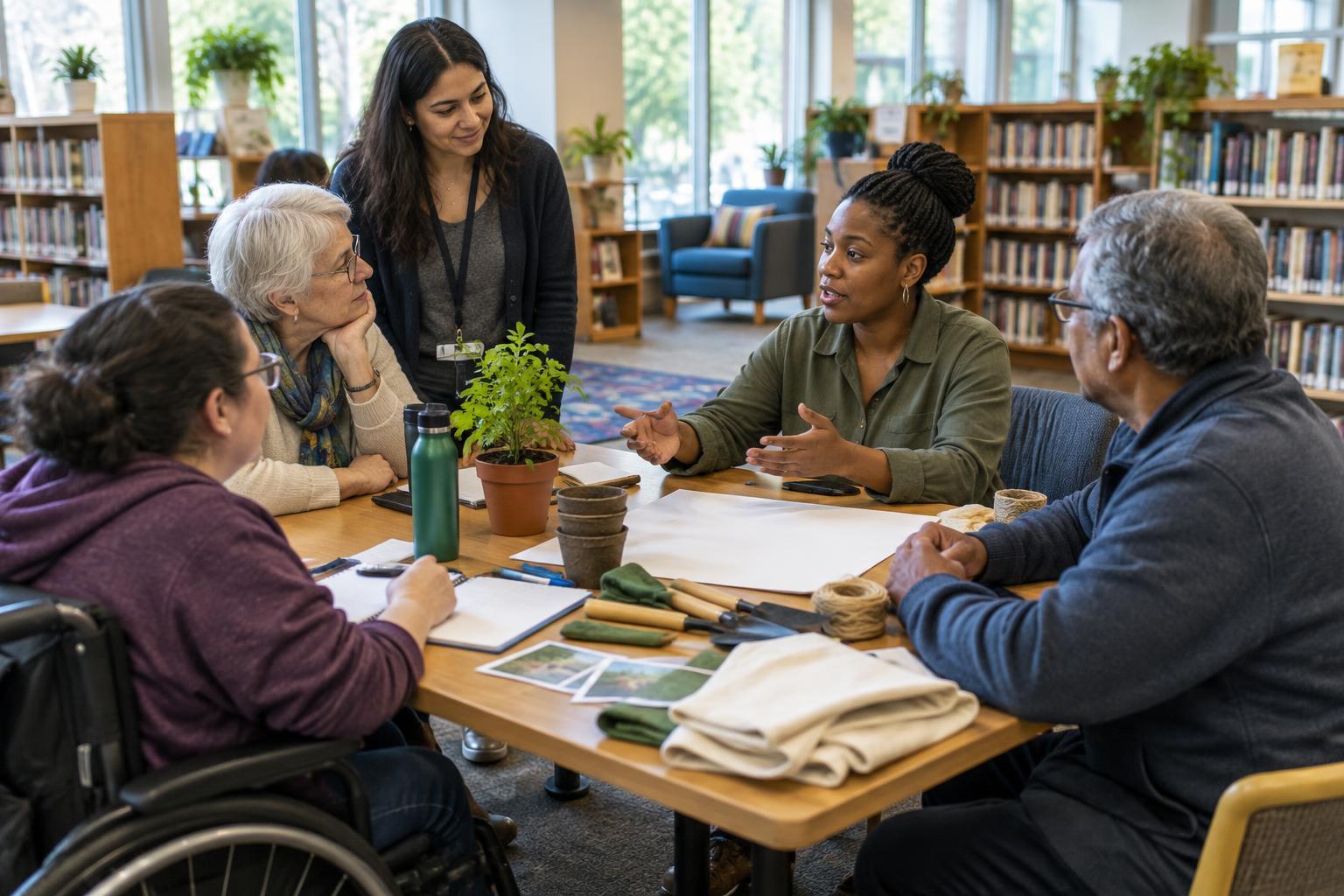
Community InnovationA library can offer more than a meeting room for a neighborhood idea. With accessible space, useful tools and clear boundaries, it can help residents turn shared concerns into projects they lead themselves.
Read article · 4 min↗
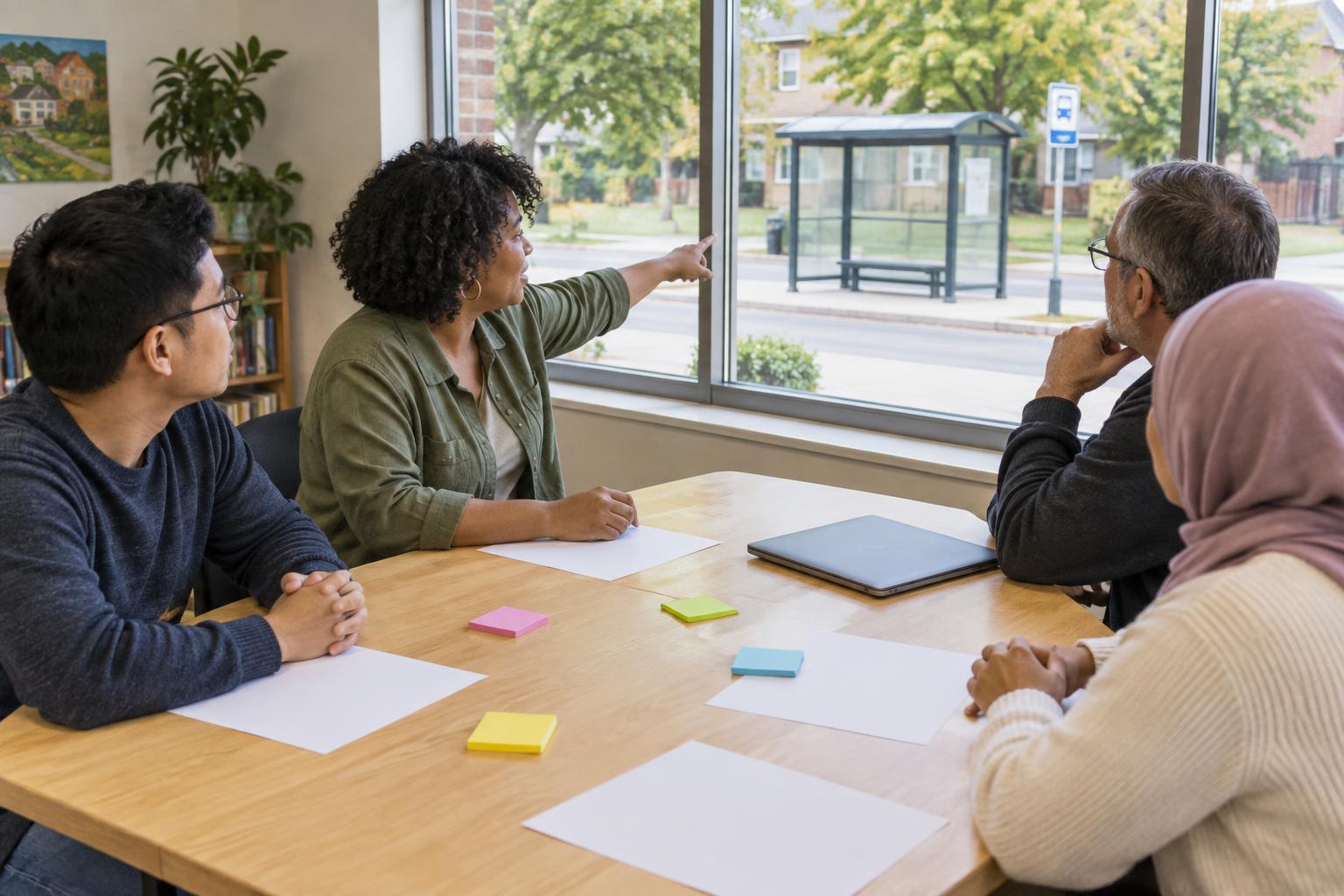
Community InnovationA neighborhood data project can help people make a case for better services, but it should not require residents to surrender more information than the project needs. Start with a specific decision, choose the least intrusive way to gather evidence, and agree on safeguards before collecting anything.
Read article · 4 min↗

Community InnovationA neighborhood food-sharing initiative can help usable food reach nearby households. Start small, set clear boundaries for what can be shared, and design the process around dignity, food safety and reliable volunteers.
Read article · 4 min↗

Community InnovationDisagreement can help a community group make better decisions, but only if people know how concerns will be heard and when a decision will be made. A clear process can protect relationships while keeping useful work moving.
Read article · 4 min↗
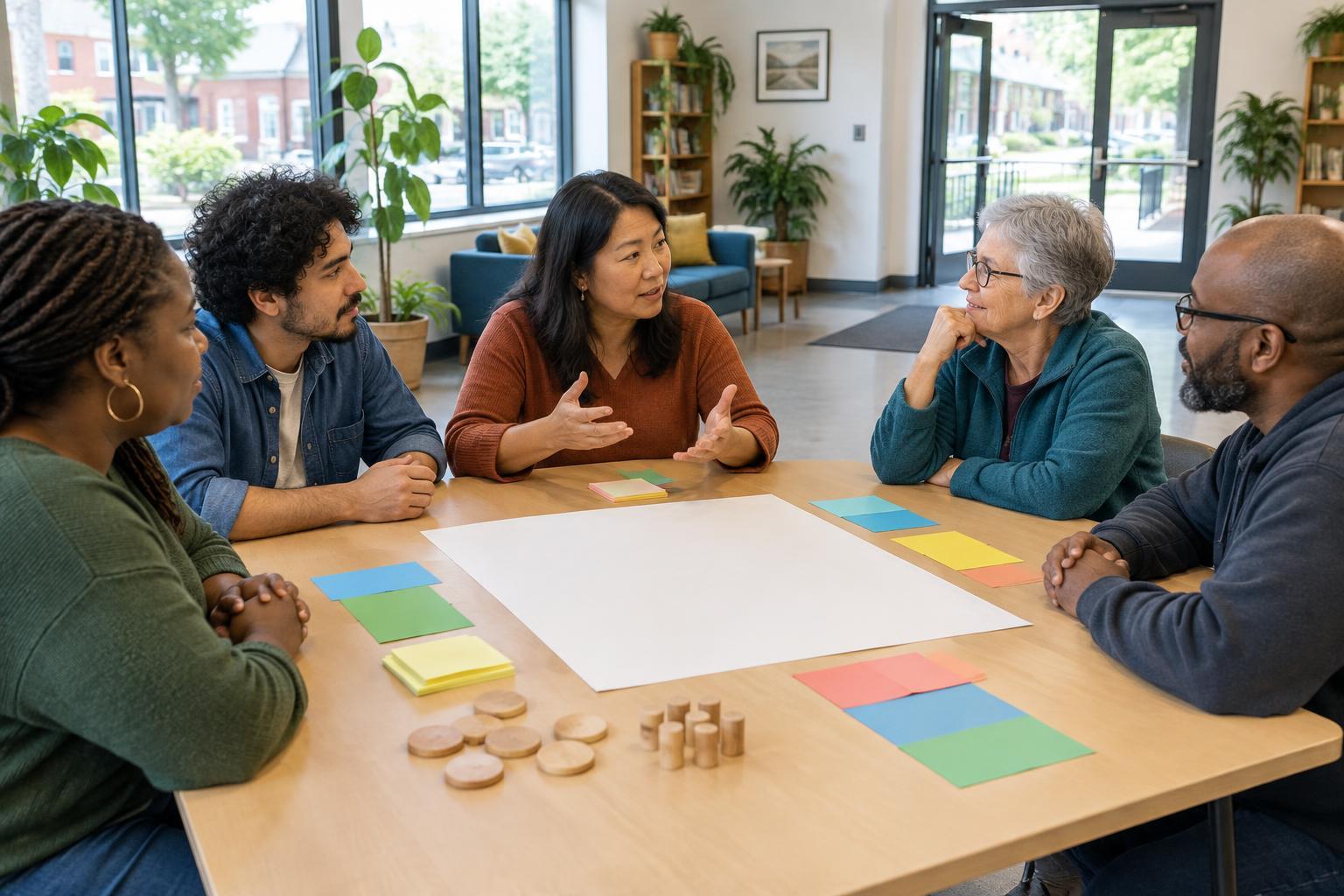
Community InnovationResident-led projects work best when people know which decisions they can shape, how to take part, and what happens when they disagree. This practical guide covers decision rights, accessible participation, simple decision methods, and ways to keep the process accountable.
Read article · 4 min↗

Community InnovationA pop-up can test an idea quickly, while a community-owned space can offer lasting control. Compare the two models through purpose, access, decision-making, costs and what happens when a space succeeds.
Read article · 4 min↗
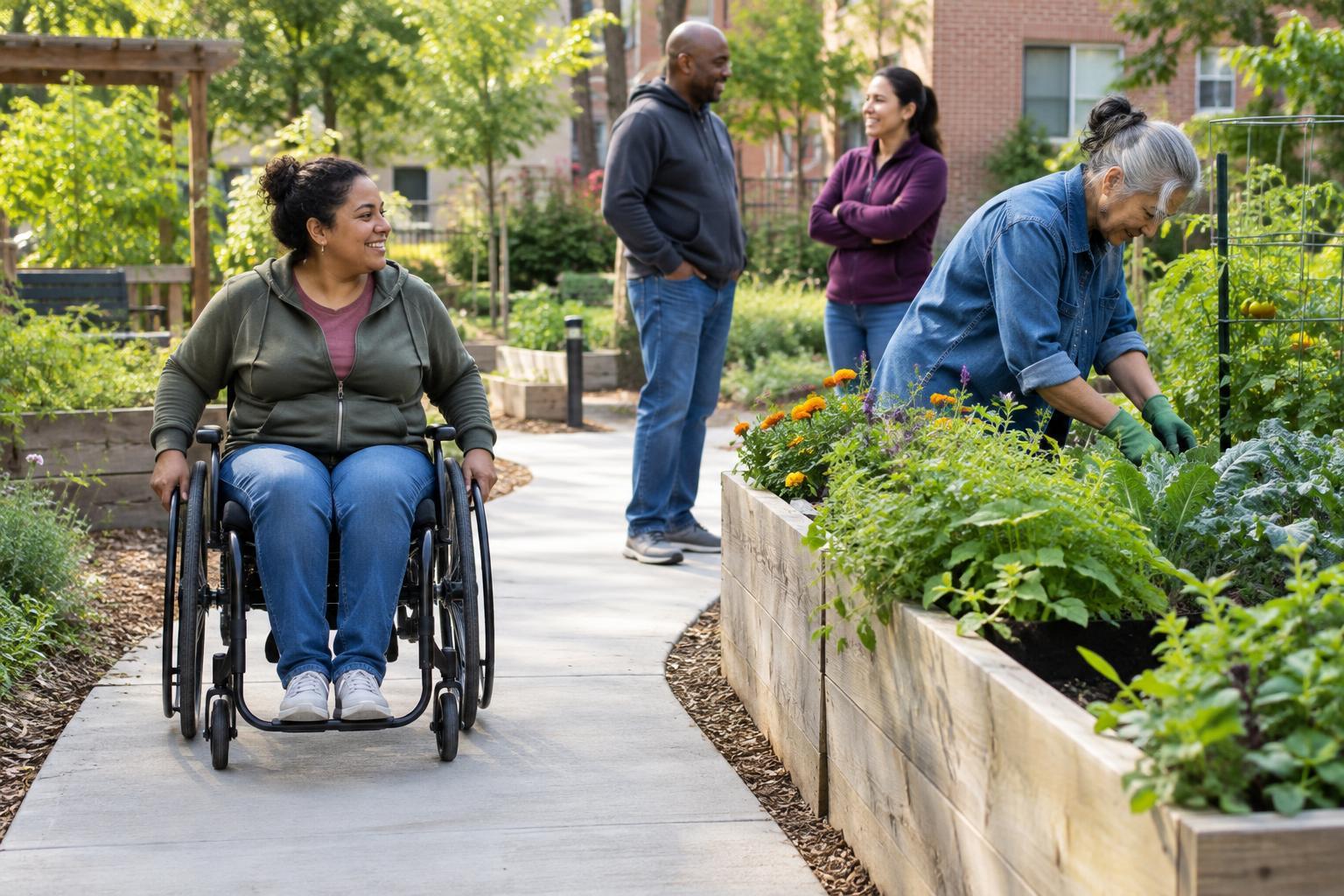
Community InnovationA full room can show interest, but it cannot tell you whether a community project made life easier. Learn how to define useful outcomes, gather proportionate evidence and adapt a project based on what residents experience.
Read article · 4 min↗
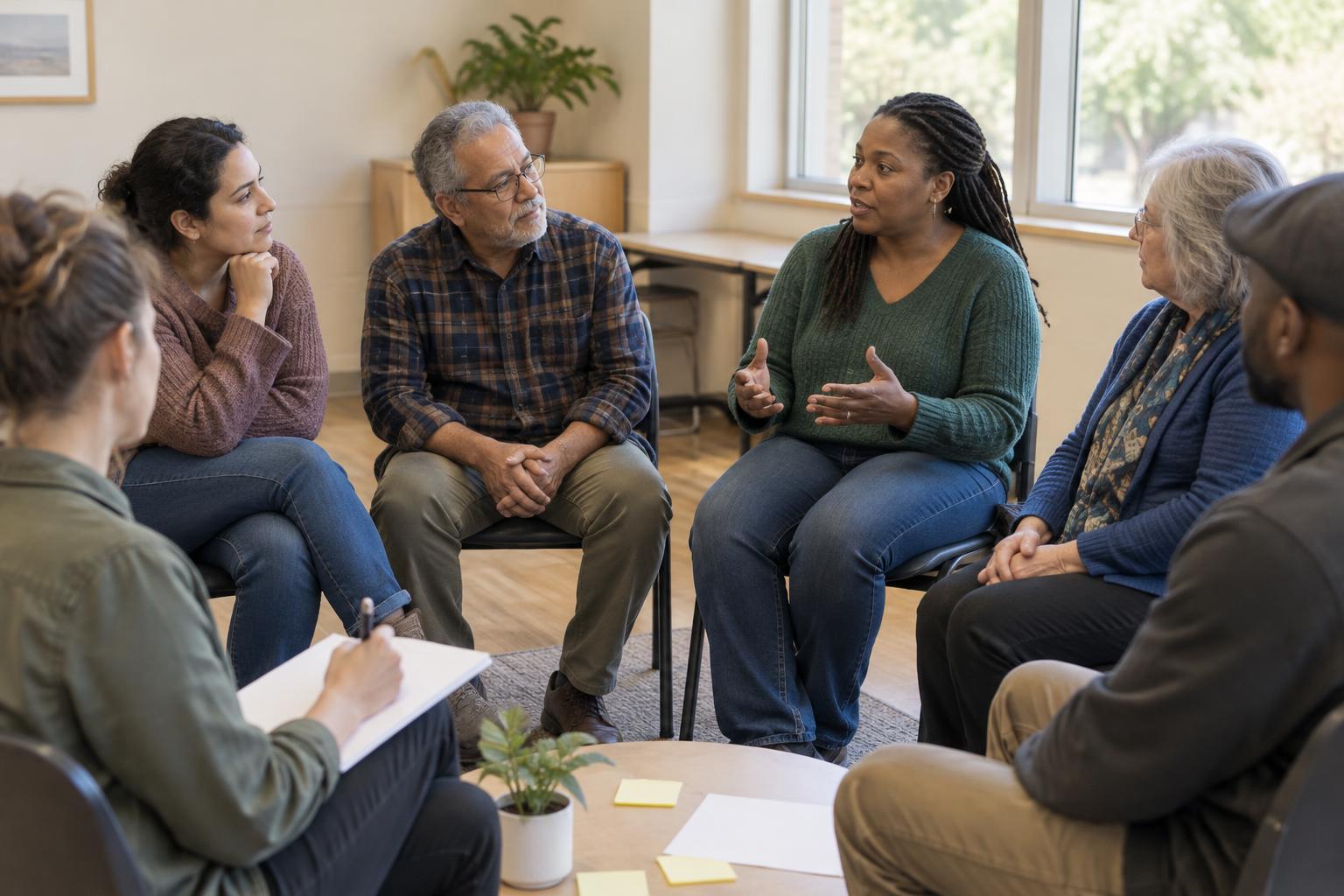
Community InnovationA neighborhood listening session can help residents name shared concerns, surface different experiences and shape a practical next step. Here is how to set a clear purpose, make participation easier, listen without promising too much and report back in a way neighbors can recognize.
Read article · 4 min↗
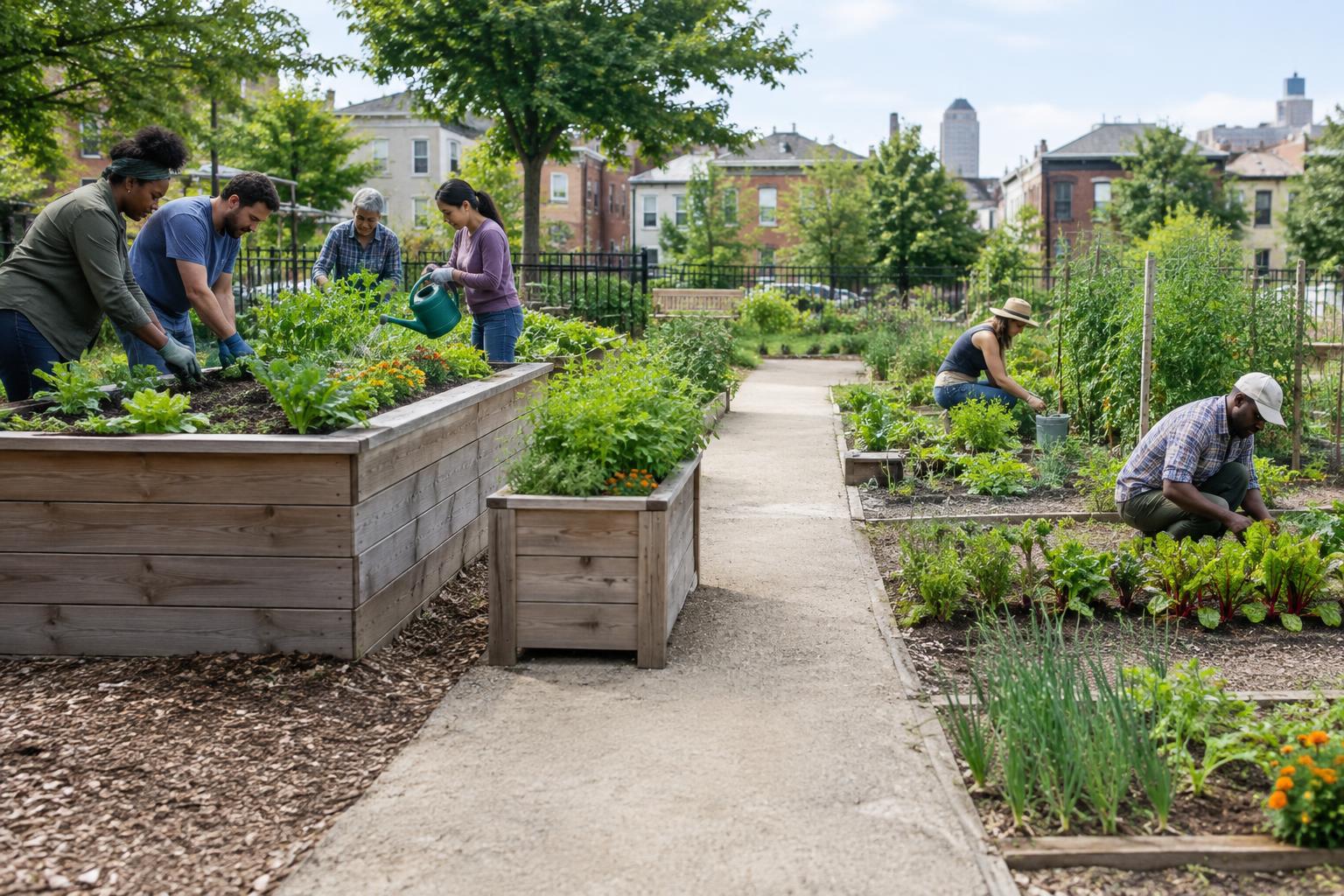
Community InnovationA community garden can be tended together or divided into individual plots. Each approach offers different ways to share work, make decisions and welcome new growers. Here is a practical guide to comparing the two—and combining them when neither fits alone.
Read article · 4 min↗
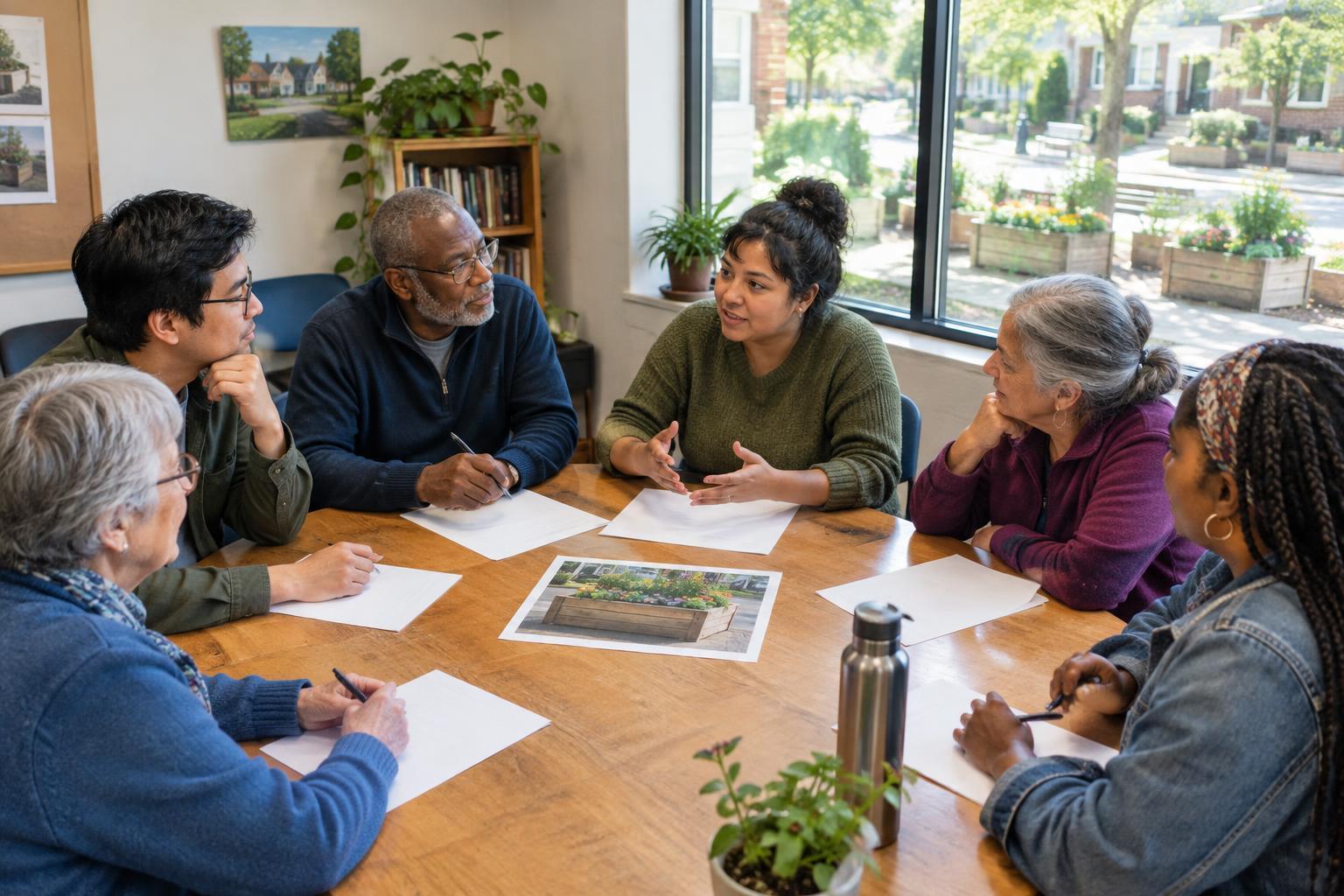
Community InnovationSmall grants can help neighbors test useful ideas without requiring a full-scale project plan. A clear purpose, accessible application, fair review process and proportionate follow-up make it easier for more people to take part.
Read article · 4 min↗

Community InnovationWhen a small group carries every task, a volunteer program becomes fragile and exhausting. Clear roles, manageable shifts, shared knowledge and regular check-ins can make it easier for more people to contribute—and easier for longtime volunteers to step back when they need to.
Read article · 4 min↗
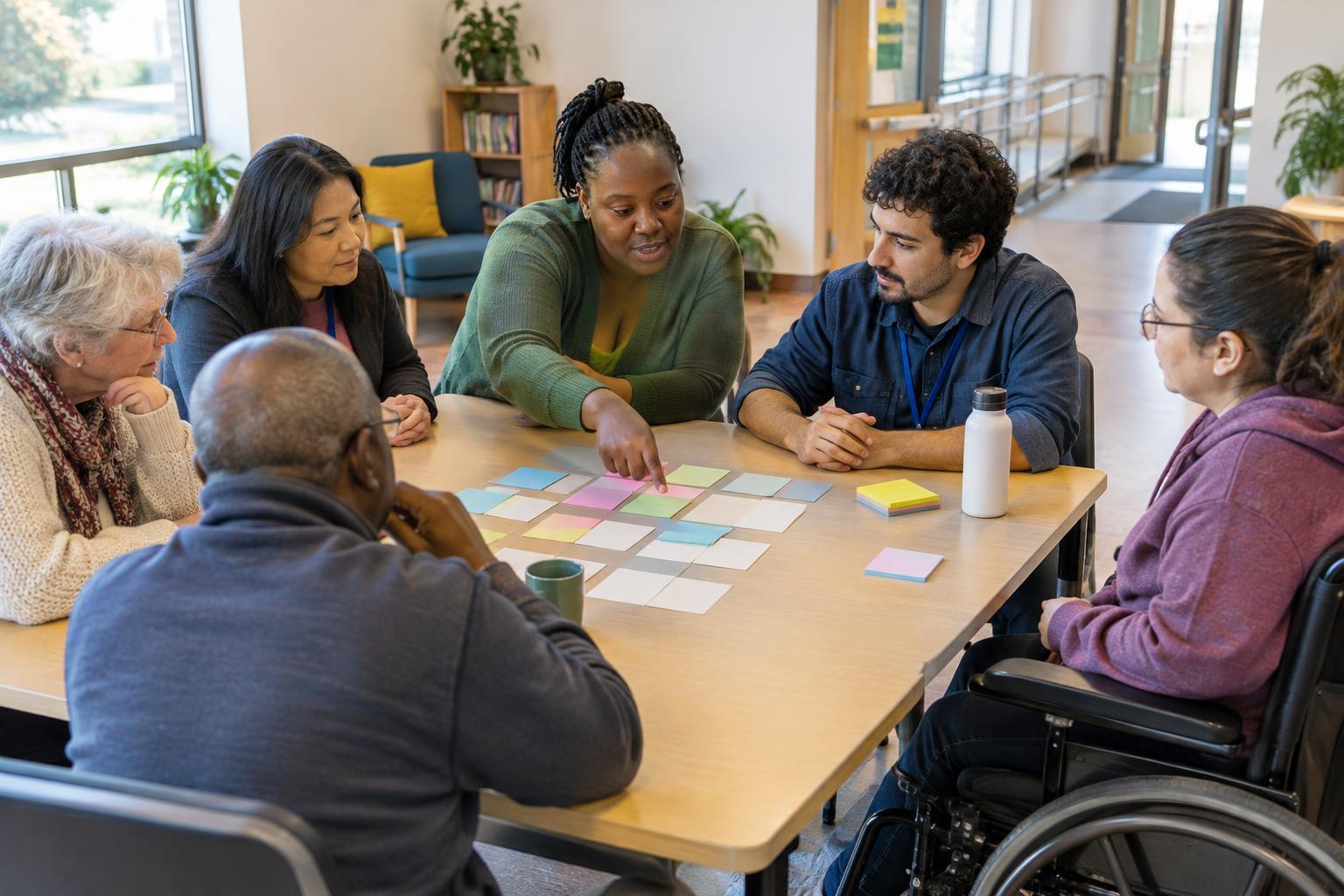
Community InnovationA first co-design workshop does not need to solve an entire service problem. It can help residents and service teams agree on what needs attention, explore workable ideas and set clear next steps. This guide covers preparation, accessible activities and responsible follow-through.
Read article · 4 min↗
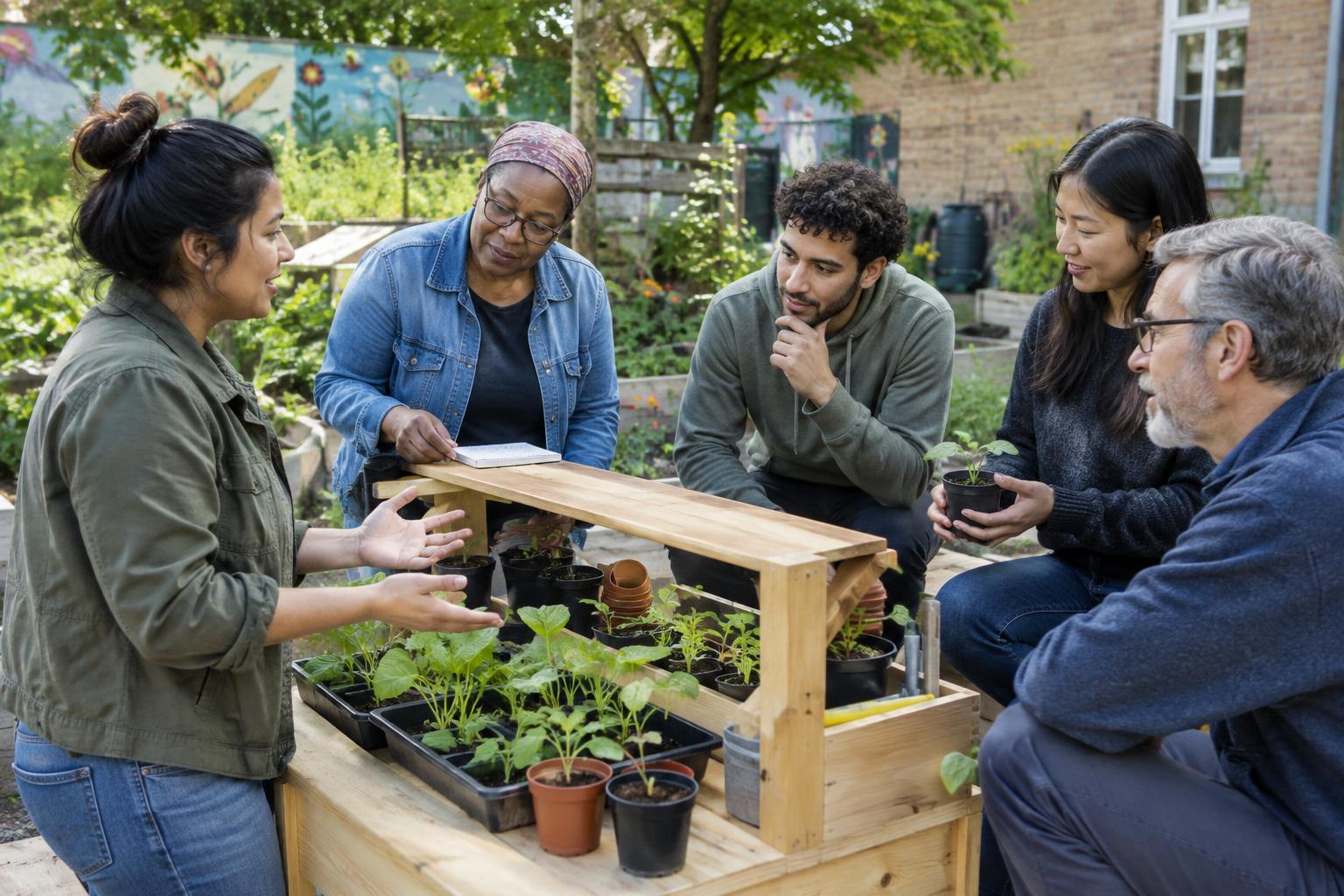
Community InnovationA promising community idea does not need a large launch to prove its value. Learn how to define the need, run a small test, listen to participants and decide what should happen next.
Read article · 4 min↗
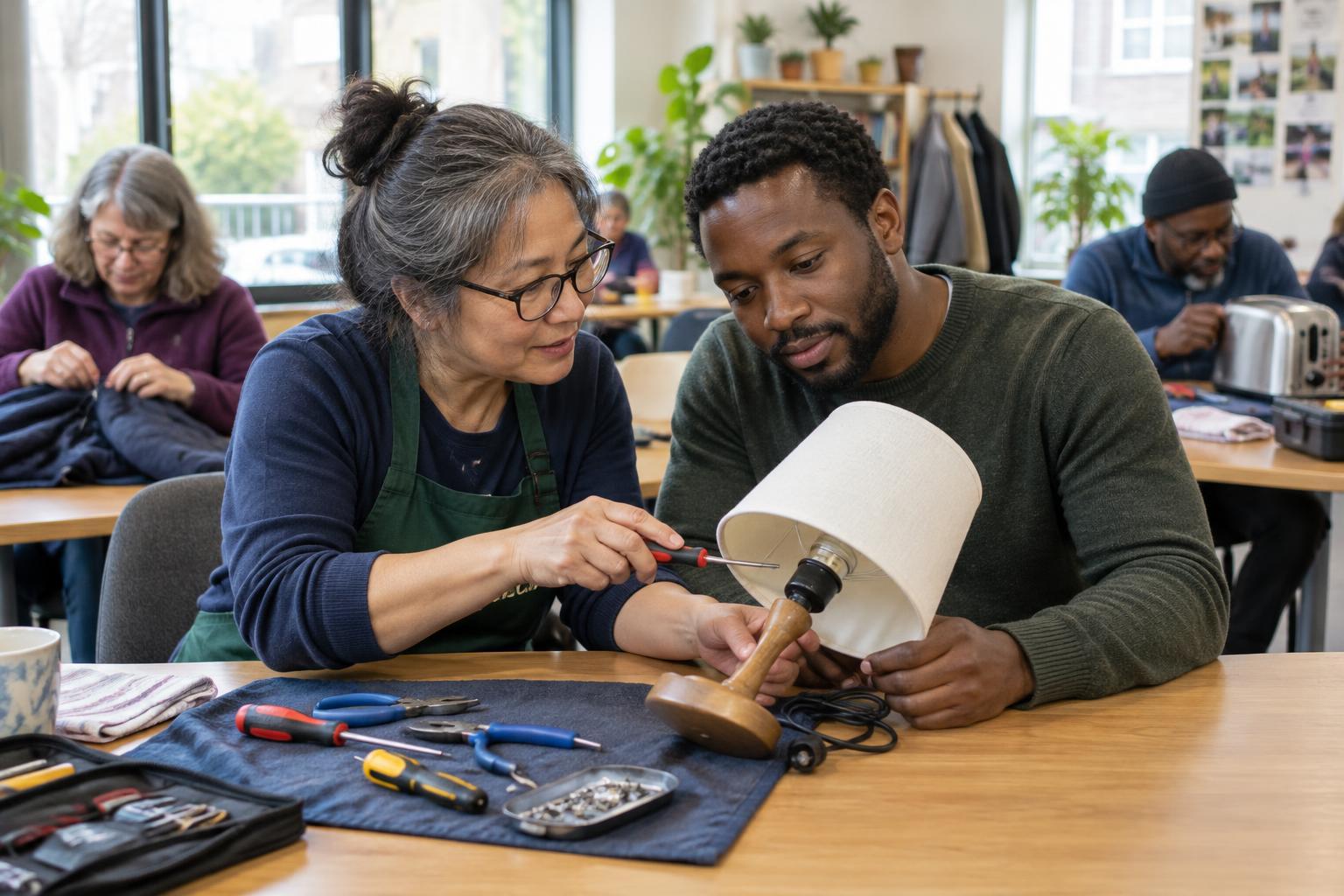
Community InnovationRepair cafés bring neighbors together to troubleshoot and mend everyday items. Here is how a typical session works, what organizers need to prepare, and how to make the experience welcoming without promising every item can be fixed.
Read article · 4 min↗
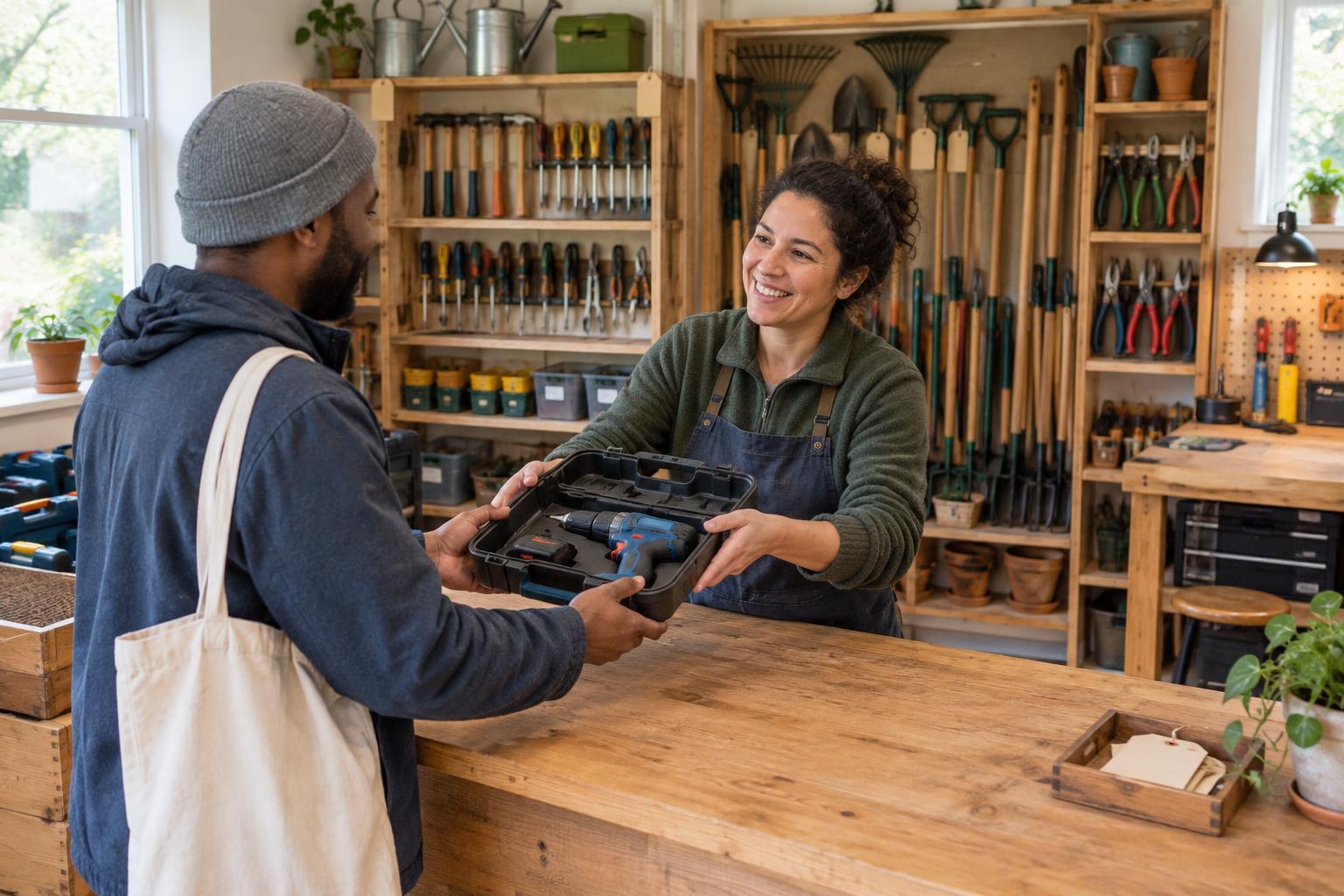
Community InnovationA tool library lets neighbors share items they need occasionally without each household having to store its own. Start small, choose equipment your community can support, and make borrowing and maintenance straightforward.
Read article · 4 min↗
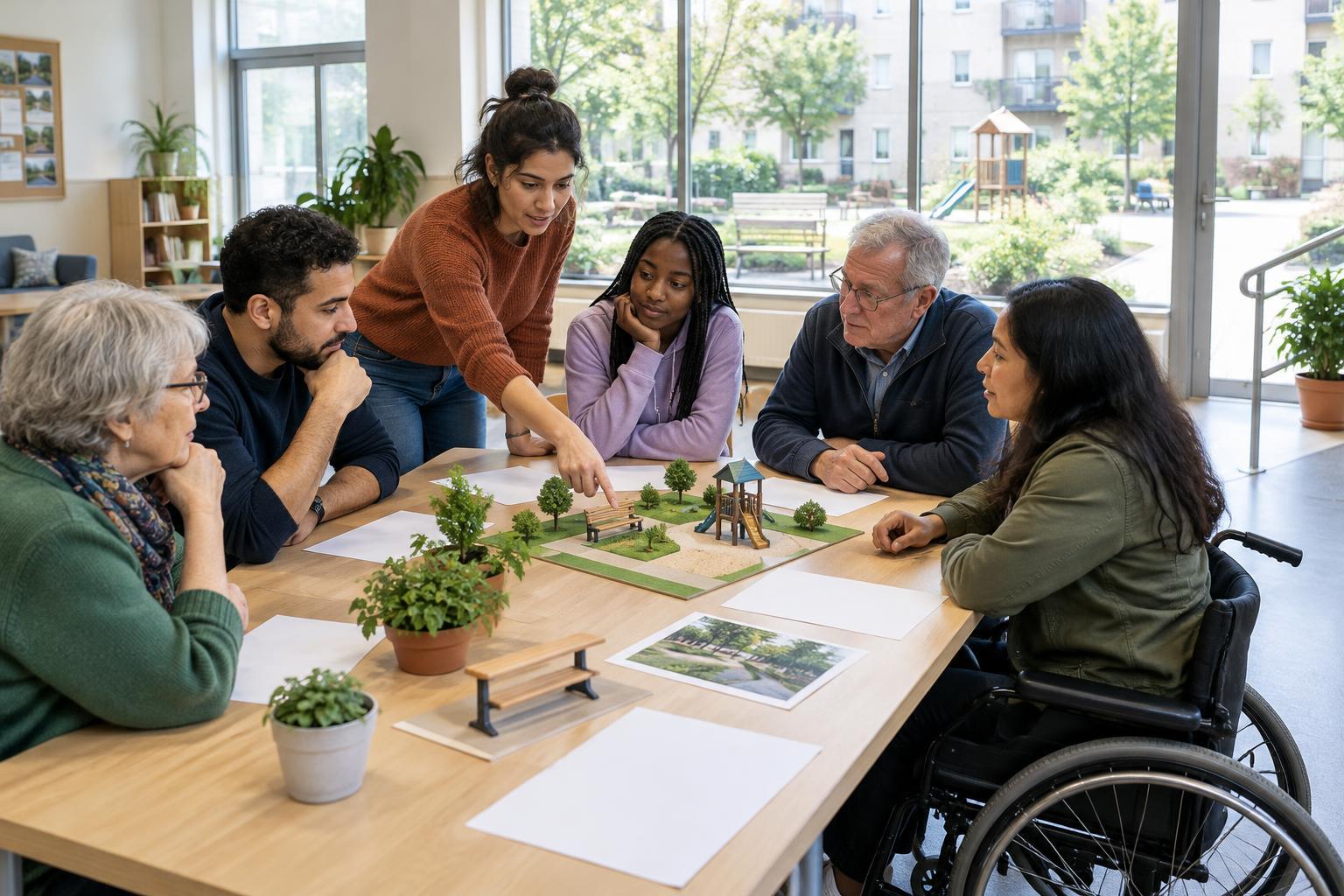
Community InnovationParticipatory budgeting gives residents a direct role in deciding how a defined pool of public money is spent. This guide explains the basic process, what makes it accessible, and how a community can turn ideas into projects.
Read article · 4 min↗
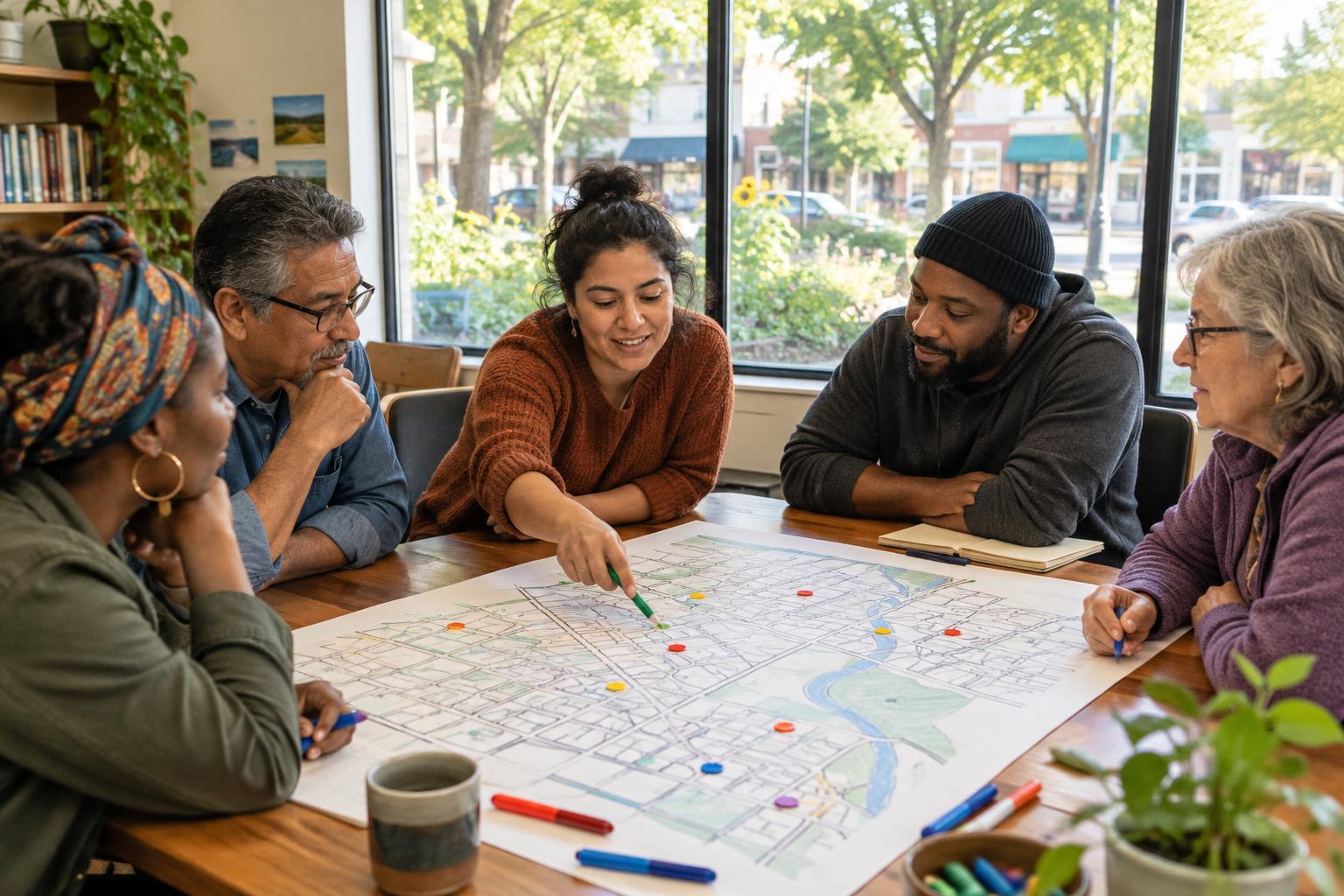
Community InnovationA useful neighborhood project begins with listening. This guide shows how to map local spaces, skills, relationships and overlooked resources without treating residents as a list of problems to solve.
Read article · 4 min↗
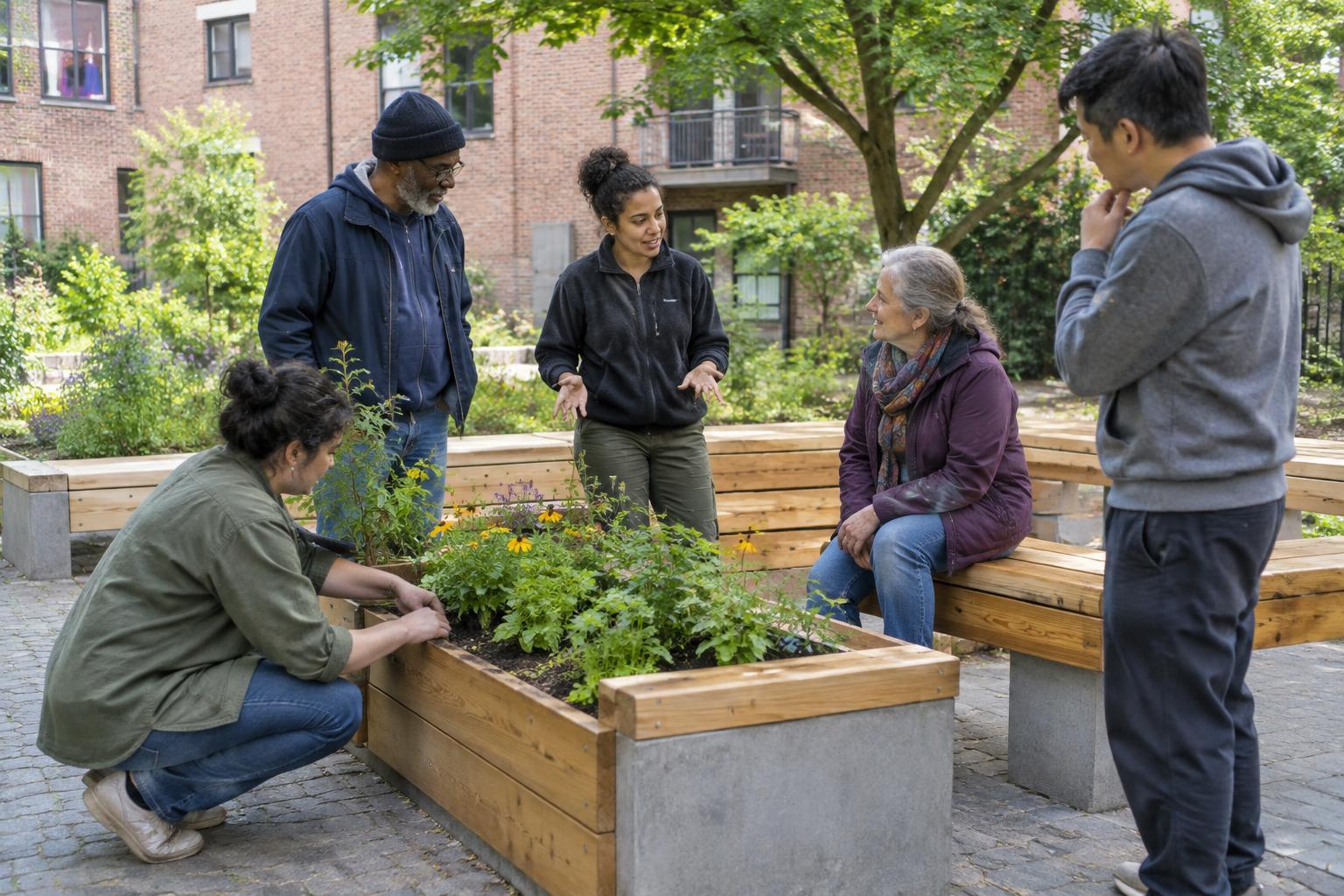
Community InnovationCommunity innovation is not simply a new service delivered to a neighborhood. It is a way of identifying problems, testing ideas and sharing decisions with the people who live with the results. Here is how that approach can work, from the first conversation to long-term upkeep.
Read article · 4 min↗