Start with a question, not a solution
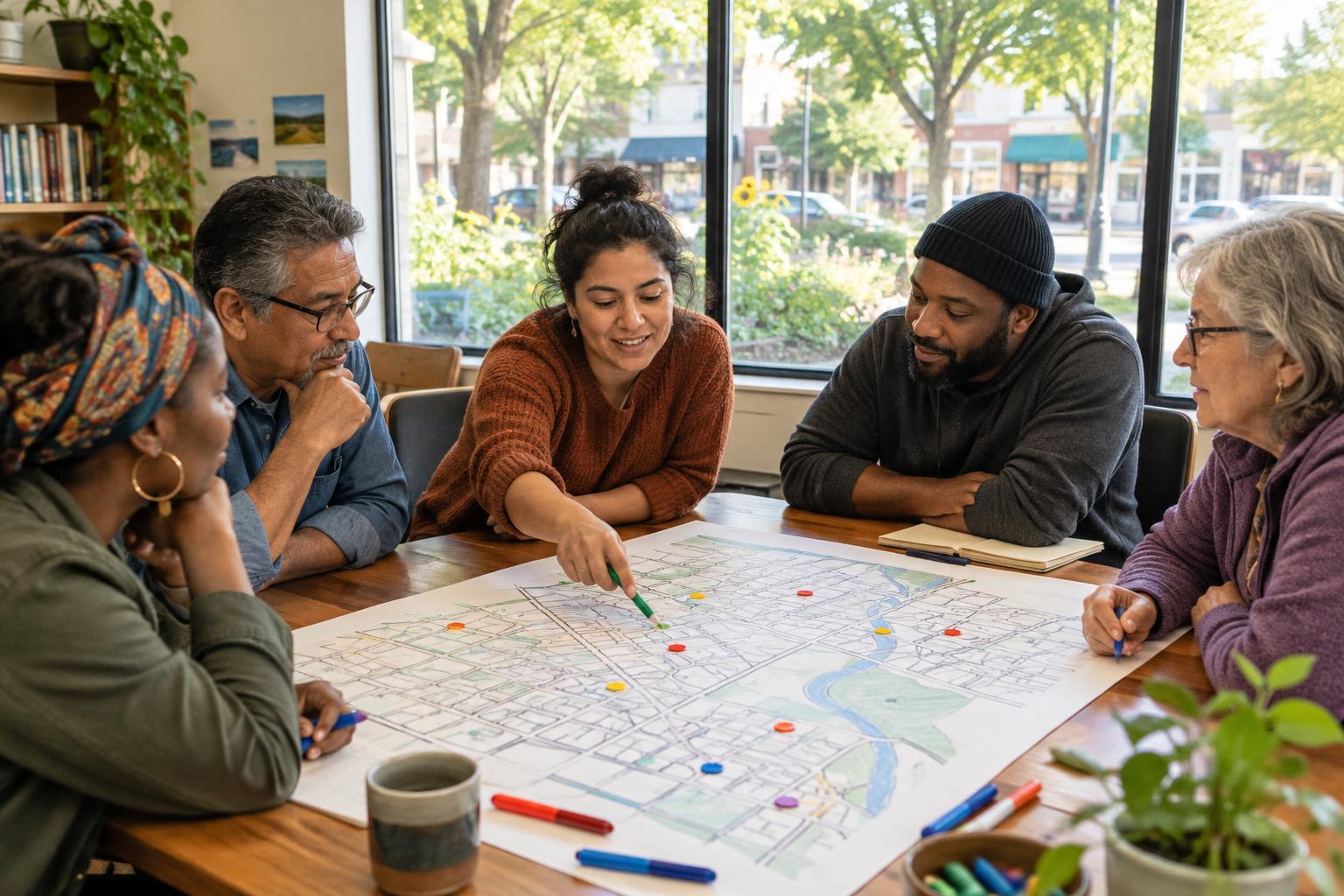
An asset map is a working picture of what people in a neighborhood can already use, share or build on. It might include a library meeting room, a shaded walking route, a repair volunteer, a multilingual noticeboard or a group that helps neighbors stay connected. Unlike a map made only of buildings and services, it also makes relationships, knowledge and informal gathering places visible.
Before collecting names or drawing boundaries, write down the decision the map should inform. “Where could neighbors host a free skills exchange?” is more useful than “What does this neighborhood need?” The narrower question helps you look for relevant assets without assuming that a new program is the answer. It also leaves room for residents to say that an existing effort needs support instead.
Decide who should shape the map
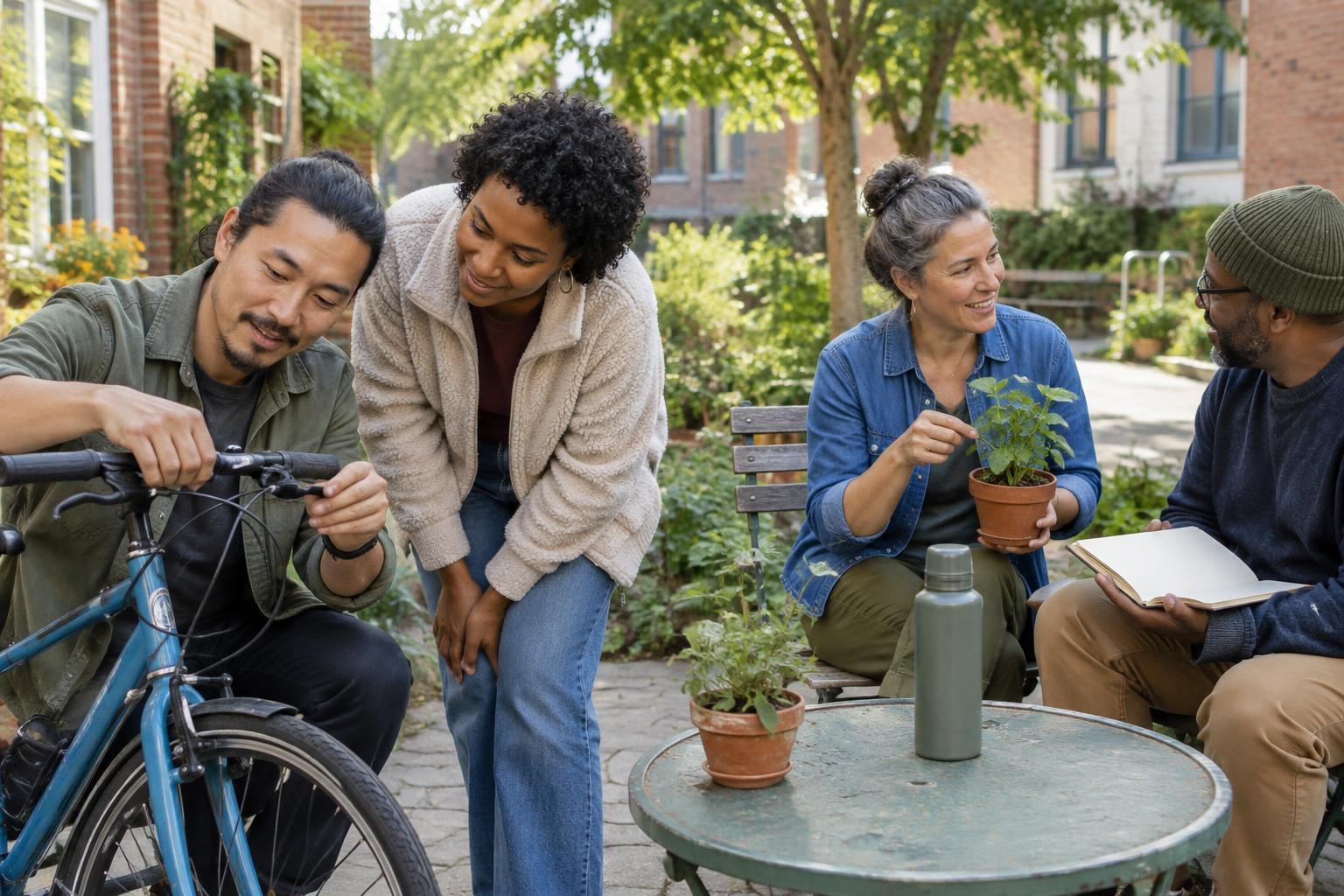
A neighborhood is not a single audience. People who work nearby, rent a room, care for relatives, use mobility aids or speak a language other than the one used at public meetings may experience the same streets differently. Invite people with varied connections to the area to help choose what counts as an asset. Ask where they already exchange information, what spaces feel usable to them and which groups are easy to miss.
Make participation manageable. A short conversation at a familiar gathering place may be easier than a formal workshop. Offer a paper map as well as a digital option, use clear language and give people a way to contribute without speaking in front of a group. Tell participants what the map is for, who will see it and how they can correct or remove a contribution. Do not publish a person’s name, contact details or private gathering place without permission.
Gather places, people and connections
Begin with a simple list under four headings: spaces, skills, groups and connections. Spaces might include parks, kitchens, storefronts or accessible entrances. Skills could range from translation and bicycle repair to event planning. Groups include formal organizations and informal circles. Connections describe how people hear about activities, borrow equipment or arrange help. Record useful details, such as opening hours or access barriers, but mark information you have not verified.
A walk through the area can reveal things a desk-based map misses, but observation has limits. A busy room may not be available for public use; an empty lot may have an owner and an active purpose. Pair what you observe with conversations and information people have chosen to share publicly. Keep the map easy to revise: a spreadsheet, paper sheets or a shared digital map can all work if contributors can understand and update them.
Look for opportunities without overlooking limits
Imagine a hypothetical block where residents want more opportunities to learn practical skills. A first map might show a library room, a community garden and several people willing to teach. That sounds like the basis for a workshop series. Conversations might then reveal that the library room is difficult to book, the garden has no evening lighting and potential learners need childcare. The map has not failed; it has made the conditions for a workable project clearer.
Review the map with contributors before drawing conclusions. Ask which assets are already stretched, who does the unpaid work of keeping them available and who cannot easily reach them. A group willing to help once should not be treated as a permanent source of labor. Notice strengths that do not appear as pins on a map, too: trust, a reliable way of sharing news or experience organizing across language differences.
Use the map to make a small, testable proposal
Turn what you have learned into a proposal that builds on an asset without taking it for granted. For the hypothetical skills exchange, that might mean trying one daytime session in an accessible space rather than announcing a recurring program. State who would host it, what resources they have agreed to share, what support is still needed and how participants can give feedback. If the right space or capacity is not available, strengthening an existing activity may be the better next step.
Treat the map as a conversation tool, not a finished inventory or permission to act on someone else’s behalf. Share a version that protects private information, invite corrections and note when an entry was last checked. After a small trial, ask what people used, what was difficult and whether the project served those it was meant to include. Then update the map. Its value lies less in how complete it looks than in whether it helps neighbors make better decisions together.