What happens at a repair café
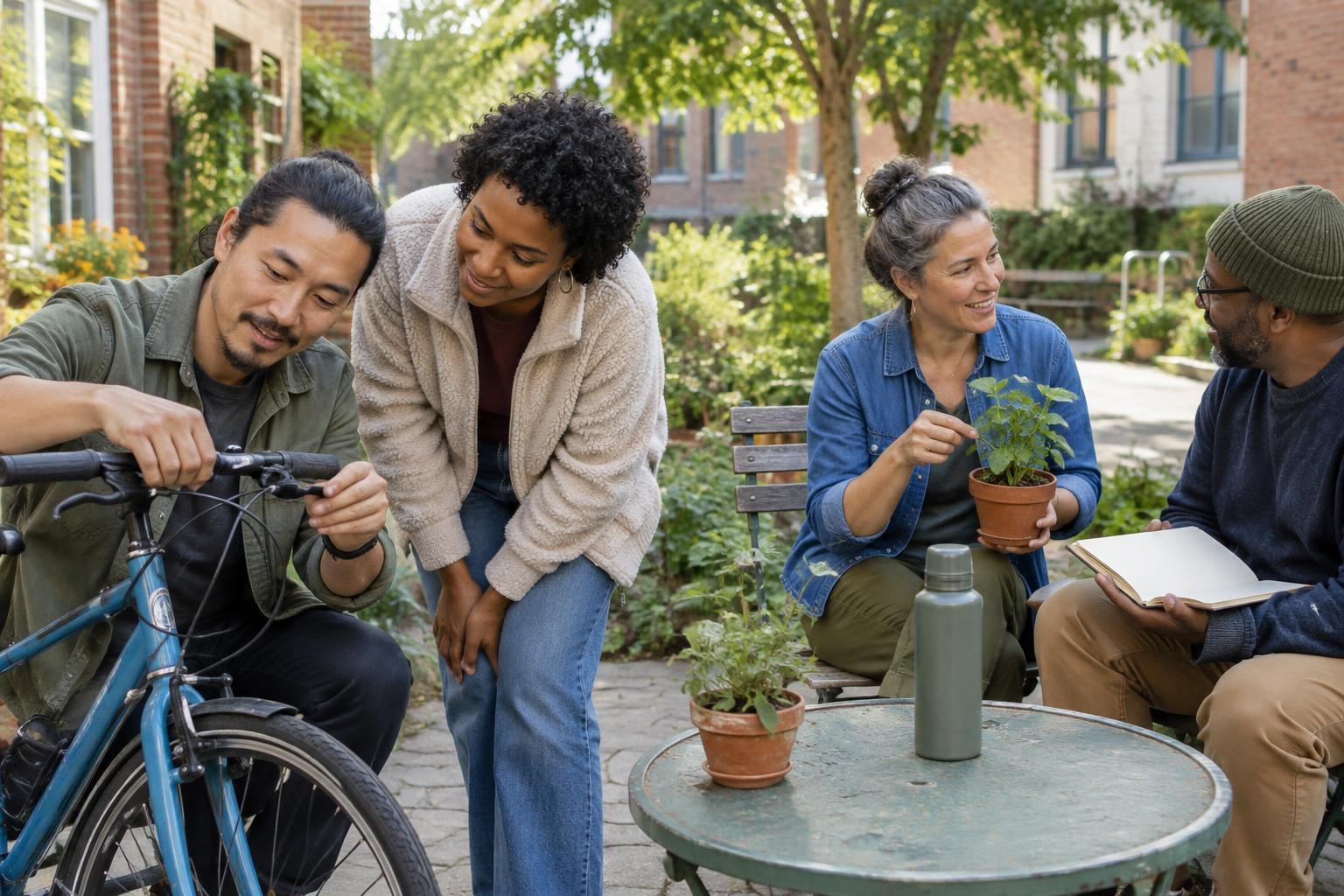
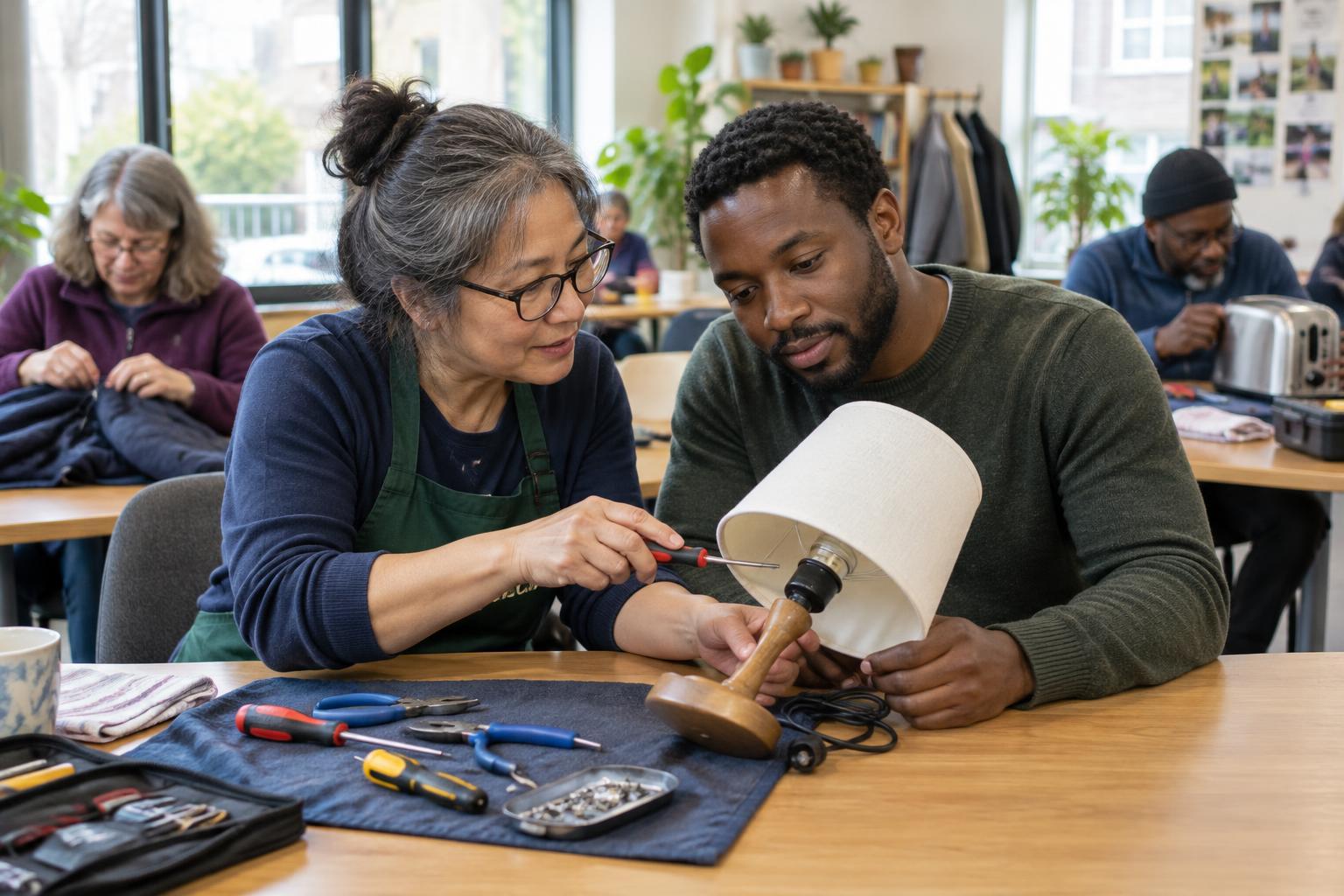
A repair café is a community gathering where people bring broken household items and work alongside volunteers to see whether they can be repaired. Depending on the skills available, a session might include clothing, small appliances, bicycles, toys or furniture. The aim is not to run a free repair shop. It is to share practical knowledge, help people keep useful things in service and make it easier for neighbors to meet.
A visitor usually checks in, describes the problem and is matched with someone who has relevant experience. Together they inspect the item, discuss possible fixes and decide whether to proceed. Some repairs take minutes; others reveal a missing part or a problem that cannot be addressed at the event. A useful outcome can be a repaired item, a clear next step or a better understanding of why repair is not practical.
Start with a manageable scope
Before announcing an event, organizers should decide what kinds of items they can reasonably accept. A small first session focused on textiles and simple mechanical fixes may be easier to run than one that promises help with everything. Ask prospective volunteers what they are comfortable assessing, what tools they can bring and which jobs they will not take on. Publish those boundaries so visitors know what to expect.
Choose a venue with enough tables, light, seating and space to move safely around work areas. Check whether power outlets are needed and how cords can be kept out of walkways. Storage for tools, a place for people to wait and access to handwashing can also matter. If the space is shared, agree in advance how it should be left at the end of the session.
Budget for consumables such as thread, fasteners, tape and cleaning supplies, as well as any venue costs. Decide whether the event is free, accepts optional contributions or asks visitors to bring common replacement parts. Be clear that a needed part may not be available on the day.
Design a clear visitor journey
A simple intake process prevents confusion. Ask visitors what the item is, what is wrong with it and whether they have brought any loose pieces, manuals or replacement parts. Give each item a number or card so it does not get separated from its owner. Explain the expected wait and make clear that visitors should stay with their items whenever possible; working together is central to the event.
One coordinator can manage the queue while volunteers focus on repairs. That person can route items by skill, notice when a repair is taking too long and help visitors decide whether to wait or return another time. A posted closing time for new intake gives volunteers room to finish work and clean up.
Accessibility deserves attention from the start. Share the venue’s access details, offer a way to ask questions before the event and avoid making online registration the only route in. At the session, use readable signs, provide seating and explain the process aloud when helpful. An accessible setup benefits volunteers as well as visitors.
Set safety and consent boundaries
Not every item belongs on a community repair table. Organizers and volunteers should agree on which tasks require specialist equipment or qualifications and which items they will decline. Electrical faults, damaged batteries and other hazards call for particular caution. Volunteers should be free to stop work when a job is beyond their skills or cannot be attempted safely in the available space.
Before opening an item or making an alteration, the volunteer should explain what they plan to try and ask the owner’s permission. They should also explain uncertainty: a repair may fail, reveal another fault or change how an item looks. Do not promise that a repaired item is safe for every use. A final check can show what was done and what remains unresolved, but it is not a substitute for any specialist testing an item may need.
Set a respectful policy for personal data, too. Phones, computers and other devices can contain private information. If digital devices are accepted at all, owners should remain present and volunteers should avoid accessing personal files unless it is essential and explicitly agreed.
Learn from each session
After the event, a short debrief can reveal more than a count of fixed items. Ask volunteers where the queue stalled, which tools were missing, what visitors found confusing and whether anyone felt excluded by the setup. Keep any record of items and outcomes simple, and avoid collecting personal details that are not needed.
Success may look different across sessions. A mended jacket is a visible result, while showing someone how to replace a button can help them make future repairs independently. Organizers can build on both by offering repeat events, sharing basic care tips or inviting volunteers with skills that visitors have asked for. Starting small, stating limits and listening to participants gives a repair café room to grow without losing its neighbor-to-neighbor purpose.