Plan for departure before it becomes urgent
Founding volunteers often hold a project together through memory and relationships. They know who has the storage key, how to book the meeting room and which tasks must happen before each event. That knowledge is valuable, but it becomes a risk when nobody else can access it. Leaving is a normal part of volunteering: people move, change jobs, take on care responsibilities or simply need a break. A durable project makes room for those changes.
Start with a short conversation about what the project needs to continue. Identify recurring tasks, important relationships, equipment and any commitments already made. Ask each founder what only they currently know or do. The goal is not to create a perfect archive; it is to make the next month of work possible without relying on a departing person’s memory.
Turn personal know-how into shared instructions
A simple project guide can be more useful than a large folder of unexplained files. It might include the project’s purpose, a calendar of recurring activities, task checklists, contact roles and instructions for accessing shared materials. Record why key decisions were made as well as what was decided. That context helps newcomers adapt a process instead of repeating it without understanding it.
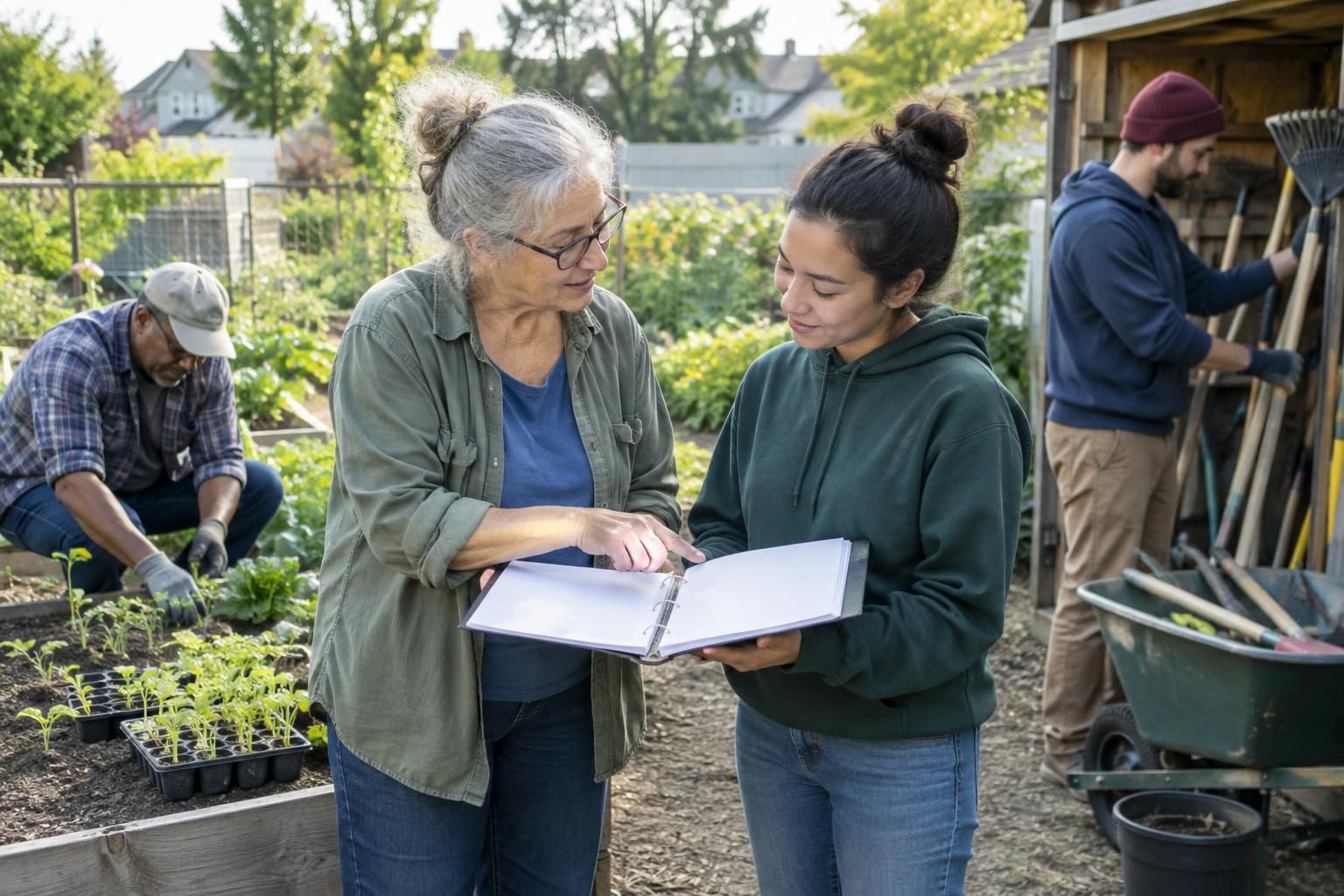
Consider a volunteer-run neighborhood repair event. Its founders may know which tools belong to the project, how volunteers set up the room and what to do when an item cannot be repaired safely. A one-page event checklist, an equipment inventory and a brief handover meeting would make those routines easier to learn. This is an illustrative example, not a template every project must follow. The right level of documentation is the level people will actually maintain.
Keep access practical and respectful. Store project information where authorized volunteers can find it, rather than in one person’s private account. Limit access to personal contact details and remove information the project no longer needs. When a document changes, name someone to update it; otherwise, even a good guide can quickly become misleading.
Share responsibility without making every task a committee task
Founders may be used to making quick decisions because they have done the work for years. A handover gives the group a chance to decide which choices need collective agreement and which can belong to a task lead. Write down a few clear boundaries: who can schedule an event, approve routine spending, speak on behalf of the project or change an established activity. Clear roles make it easier for new volunteers to act without constantly asking permission.
Avoid replacing one indispensable person with another. Pair volunteers on essential tasks for a while, rotate responsibilities when feasible and give people permission to say what they cannot take on. Smaller roles—such as preparing supplies for one session or welcoming participants—can offer a realistic entry point. They also let newcomers learn the project before accepting a larger commitment.
Invite newcomers to shape the project
A project may struggle to recruit successors if joining feels like agreeing to preserve every founder’s preference. Explain the purpose and the non-negotiable commitments, then ask current participants what still works. New volunteers may see an easier meeting time, a simpler activity or an overlooked need. Listening to them is not a rejection of the founders’ work; it is one way the project stays useful.
Make the first experience welcoming. Describe roles in plain language, explain how decisions are made and offer a small task with a clear endpoint. Afterward, ask what was confusing. That feedback can reveal barriers hidden from long-time members, such as unexplained abbreviations, inaccessible meeting spaces or tasks that require more time than the group originally suggested.
Choose a sustainable size—and revisit it
Continuity does not always mean keeping the same schedule or range of services. Before founders leave, compare the project’s regular commitments with the time and resources volunteers can reliably offer. If capacity is limited, reduce the frequency of activities, pause a less-used feature or collaborate with another local group where that serves participants. Being honest about a smaller plan is better than promising work that quietly falls onto one exhausted person.
Set a date to review the handover after the new team has had time to run the project. Ask what is getting done, what depends on a single person and what participants value most. If the project no longer has enough support to meet its purpose, an orderly pause or conclusion can be a responsible outcome. A community project succeeds not by lasting unchanged forever, but by helping people make deliberate choices about what is worth carrying forward.