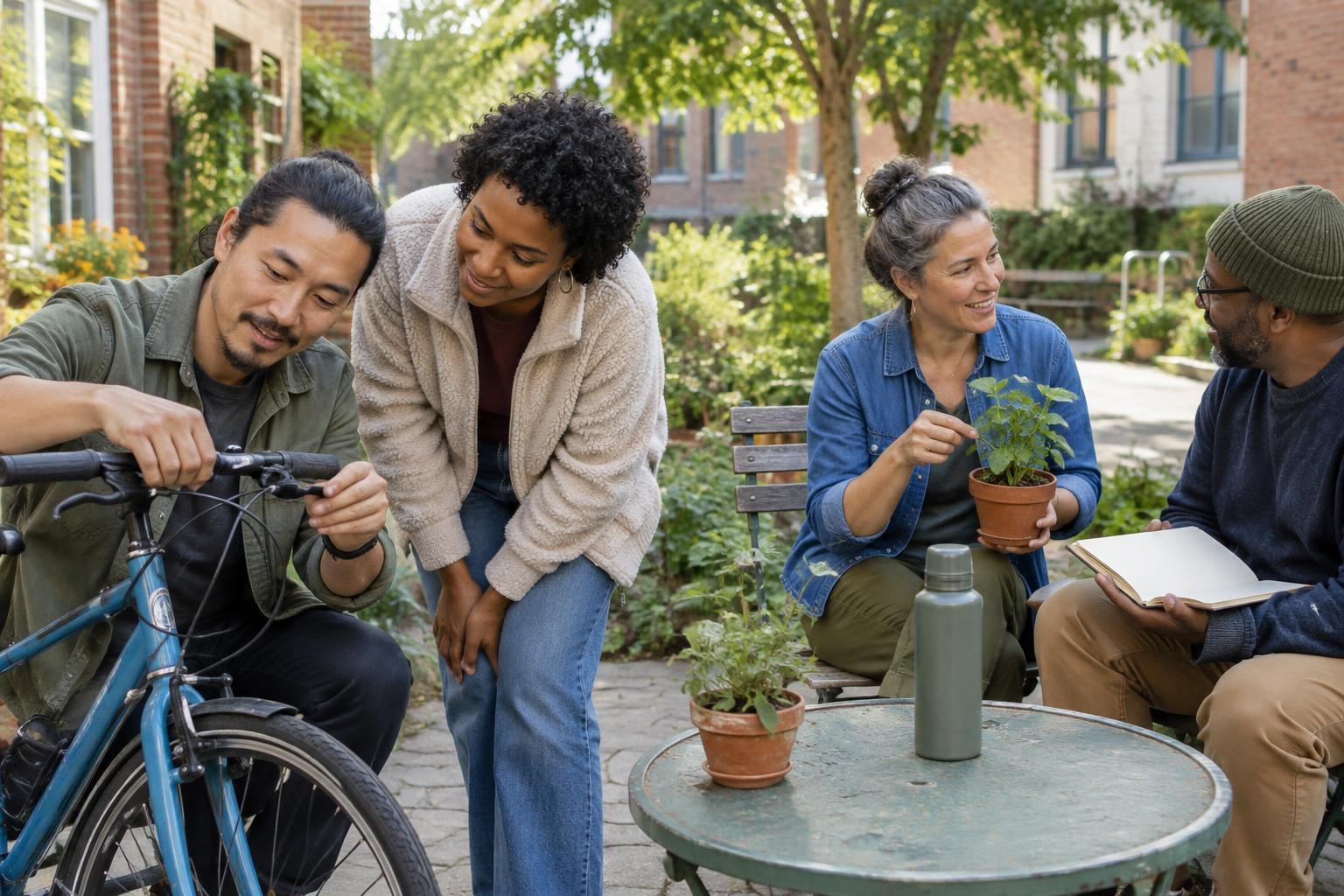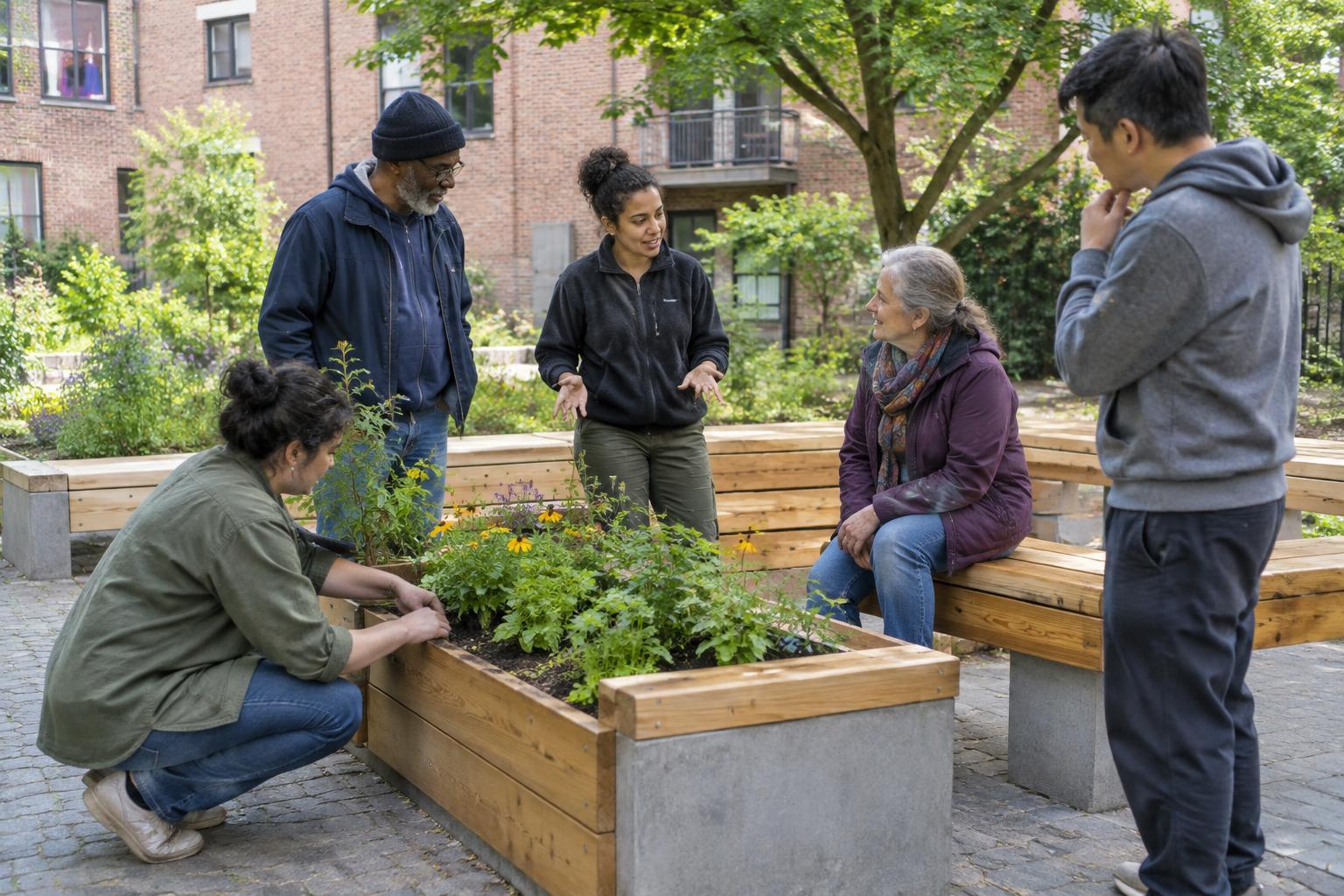
Start with the people who know the problem
Community innovation means finding better ways to meet local needs while treating residents as partners in the work. The innovation might be a tool, a service, a shared space or a change in how decisions are made. It does not have to be new to the world. A familiar idea adapted to a particular street or neighborhood can be innovative if it solves a problem more effectively for the people there.
The distinction between doing something for residents and doing it with them begins before anyone proposes a solution. An outside team might see an underused park and decide it needs new equipment. Residents might explain that the bigger barriers are poor lighting, a locked entrance or nowhere comfortable to sit. Those details can change the project entirely. Asking people to describe when and how a problem affects them often reveals more than asking them to approve a plan that is already complete.
Make participation possible, not merely available
An open meeting is a start, but it is not a guarantee that everyone can take part. Meeting times may exclude people with shift work or caring responsibilities. A venue may be hard to reach or navigate. A digital survey may miss residents who prefer to speak in person. A useful process offers several ways to contribute, explains decisions in plain language and gives people enough time to respond.
It also matters who is asked to contribute and what they are being asked to do. Residents should not have to supply endless feedback on unpaid time while others retain all the authority. Where resources allow, projects can compensate people for substantial work, such as helping to plan sessions or assess proposals. Even when a budget is small, organizers can be clear about which decisions residents can influence, which constraints are fixed and who will make the final call. That honesty helps prevent participation from becoming a formality.
Test a small idea before scaling it
Consider a hypothetical neighborhood where people have trouble reaching a shared community space. A ready-made response might be to launch an app listing events. Conversations with residents could instead reveal that event information is scattered, signs are difficult to read and some people are unsure whether the space is open to them. The group might first test a clearer noticeboard, a simple printed calendar and a welcoming sign at the entrance. An app could still be useful later, but it would no longer be the automatic starting point.
Small tests make it easier to learn without committing everyone to a costly plan. The group can agree on what it hopes to change, try one adjustment for a limited period and ask residents what happened in practice. Did the new information help people find activities? Was it easy to keep up to date? Did anyone still feel excluded? Observations and feedback may point toward improving the test, trying something different or stopping. A test is valuable when it makes the next decision better, even if the first idea does not work.
Share power over the work and its upkeep
Listening is not the same as sharing control. Residents can help set priorities, choose among realistic options and decide how success will be judged. For example, a project focused on a public space might look beyond the number of visitors. Residents may care just as much about whether they feel welcome, whether seating works for different bodies and whether the space remains usable at different times of day. Agreeing on these measures early makes it harder to declare success while overlooking daily experience.
Long-term upkeep deserves attention at the start. Someone must maintain a noticeboard, organize access to a shared tool or respond when a service stops working. If that responsibility falls silently on a few volunteers, an apparently successful project can become a burden. A practical plan identifies owners for routine tasks, sets a manageable way to report problems and leaves room for residents to change course. It should also make clear how new participants can join after the original planning group moves on.
Keep the solution open to revision
Local needs are not fixed, and no group of participants can speak for every resident. People move, schedules change and a solution that helps one group may create an obstacle for another. Community innovation therefore works best as an ongoing practice rather than a single launch. Checking in with people who use a service, and those who do not, can show whether an idea is still serving its purpose.
The goal is not to make every decision by committee or to promise agreement on everything. It is to combine local knowledge with the skills and resources needed to act, then make the choices and trade-offs visible. When residents have a meaningful role in defining the problem, testing responses and revising the result, a project is more likely to fit the place it is meant to serve.