Start with a purpose people can share
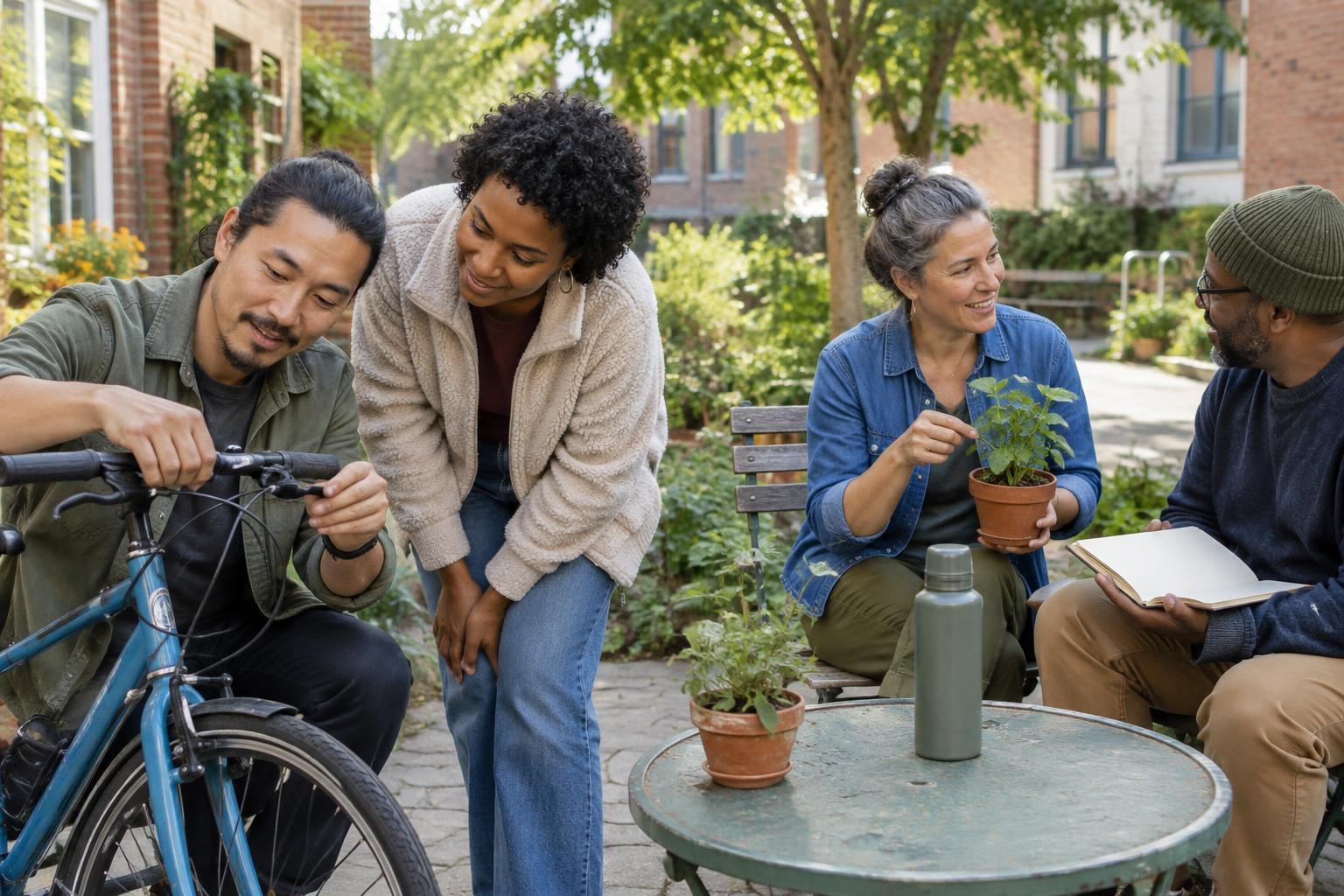
A peer study group brings people together to learn with one another, rather than relying on one person to teach everyone else. It might help neighbors practice a new language, coworkers learn a software tool, or adults work through a book about a subject they want to understand. The first step is to name a manageable goal. “Learn everything about coding” is hard to plan around; “work through one beginner lesson each week and discuss what we tried” gives people a clearer reason to attend.
Invite a small group to help shape the plan before you settle on a schedule. Ask what they hope to learn, how much time they can realistically spend between meetings, and whether they prefer to meet in person, online or both. Also ask privately about access needs, without requiring anyone to explain a disability or personal circumstance. Those answers can guide practical choices such as meeting length, captions, written materials and a way to contribute without speaking.
Make joining straightforward
Choose a meeting place and time with the people who will use them. For an in-person group, consider whether the location is easy to find, reachable by participants’ usual transport and usable without unnecessary physical barriers. For an online group, choose a familiar tool where people can adjust how they view and hear the conversation. Neither format works for everyone, so offer alternatives when you can: a shared notes document, a phone option or a brief written recap may help someone stay involved when they cannot attend.
Send a simple invitation that states the topic, expected level, meeting length, any preparation and whether there is a cost. Say that newcomers can ask questions and that completing every activity is not a condition of belonging. If materials are needed, share them early in a format people can read, enlarge or use with their preferred tools. Avoid making essential information available only in an image or a recording.
Give each meeting a predictable shape
A repeatable agenda reduces the effort of figuring out what will happen each time. For a one-hour meeting, you might spend ten minutes checking in, twenty minutes comparing questions about the material, twenty minutes practicing together and ten minutes choosing the next step. This is a starting point, not a rule. A group studying a language may want more conversation practice; a group learning a digital skill may need more time to try things and troubleshoot.
Imagine a group learning spreadsheet basics at a community center. Rather than having the most experienced member demonstrate every feature, participants bring one small task, such as organizing a reading list. They try a step individually or in pairs, then share what worked and where they got stuck. The facilitator keeps the group on time and records questions to revisit, but does not need to have every answer. That approach makes uncertainty a normal part of learning.
Create more than one way to take part
Participation does not have to mean speaking quickly or often. At the start of a session, offer time to think or write before discussion. Invite contributions through speech, chat, a shared document or a partner who can relay a question. Use plain language for new terms, and pause to explain them when they come up. In online meetings, describe important visual information aloud; in person, make sure written instructions are visible and available to take away.
Agree on a few group habits together: let people finish, ask before giving advice, and treat questions as useful rather than basic or embarrassing. A facilitator can notice whose ideas have not yet been heard without putting anyone on the spot: “We can take a moment to write down thoughts before we continue.” Rotate roles such as timekeeper, note-taker and discussion lead if members want to try them. Shared roles can prevent the group from depending on one person, while allowing anyone to decline a task that does not suit them.
Adjust the group as you learn
After two or three meetings, ask what is helping and what is getting in the way. Give people a private way to respond, since it can be difficult to raise an access concern in front of others. Keep the questions specific: Is the pace comfortable? Are the materials easy to use? Is there enough time to practice? Then make a small change and tell the group what changed. Feedback is most useful when people can see that it affects the plan.
A peer study group does not need perfect attendance or identical progress to be worthwhile. Keep brief notes on decisions and resources so someone who misses a meeting can return without feeling lost. Revisit the group’s goal when interests change, and make it acceptable to pause or finish once that goal has been met. The aim is a dependable space where people can ask, try, contribute and keep learning together.